Ten years ago, choosing a facade meant choosing between a handful of glazing options and cladding colors. Today, facade technology spans structural engineering software, climate-responsive glazing, robotic fabrication, and sensor-driven maintenance systems. For developers and consultants evaluating a facade partner in Dubai or Abu Dhabi, understanding what’s actually behind the glass has become part of the due-diligence process, not an afterthought.
This guide breaks down the facade technologies shaping UAE projects right now, and what to look for when you’re comparing contractors.
Why Facade Technology Has Become a Decision Factor
The UAE’s building codes, energy targets, and fire-safety regulations have all tightened over the past decade. At the same time, clients want facades that look distinctive and perform well in one of the world’s harshest climates, 45°C+ summers, high UV exposure, humidity, and sandstorms. Meeting all three demands (compliance, performance, aesthetics) is no longer possible with off-the-shelf systems alone. It requires facade technology that’s engineered and modeled before a single panel is fabricated.
This is why the evaluation stage of a facade project increasingly starts with a technical conversation, not a design mood board. If you’re at that stage, our breakdown of what facade engineering involves is a useful starting point before comparing vendors.
Key Facade Technologies Driving UAE Projects
1. Parametric and BIM-Based Design
Building Information Modeling (BIM) lets engineers simulate a facade’s structural behavior, thermal performance, and clash points with MEP and structural systems before fabrication begins. Combined with parametric design tools, this allows architecturally ambitious geometries like the ones increasingly common on Dubai and Abu Dhabi towers, to be engineered accurately rather than approximated on site. We cover how this shift is influencing design decisions in our piece on facade design trends shaping UAE architecture in 2026.
2. Advanced Structural and Wind Engineering
High-rise facades experience wind pressures and suction forces that vary dramatically by floor, corner, and building shape. Computational Fluid Dynamics (CFD) modeling and wind tunnel testing are now standard practice for towers above a certain height. This isn’t a theoretical exercise it directly determines bracket spacing, glass thickness, and panel anchoring. Our detailed guide on wind load analysis in facade engineering explains how this modeling protects UAE high-rises.
3. Unitized Manufacturing Systems
Unitized curtain wall technology where facade modules are fully assembled and glazed in a factory, then craned into position has become the default for large commercial towers because it improves quality control and shortens site programs compared to stick-built systems. Choosing between the two isn’t purely a technology decision though; it depends on building height, program, and budget. See our comparison of unitized vs. stick curtain wall systems for a fuller breakdown.
4. Smart and Responsive Facades
Sensor-embedded facades, dynamic shading, and electrochromic glazing that adjusts tint based on sunlight are moving from showcase buildings into mainstream commercial developments. These systems reduce cooling loads, a significant cost driver in the UAE, while maintaining daylight and views. We’ve explored this shift in more depth in the rise of smart facades.
5. Fabrication and Materials Technology
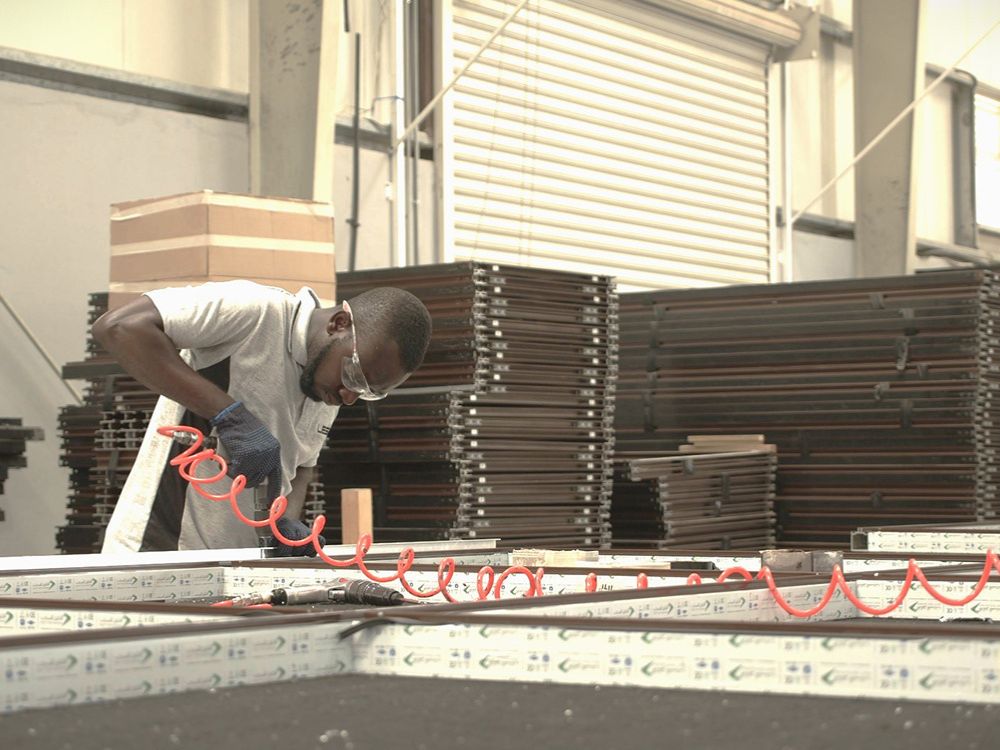
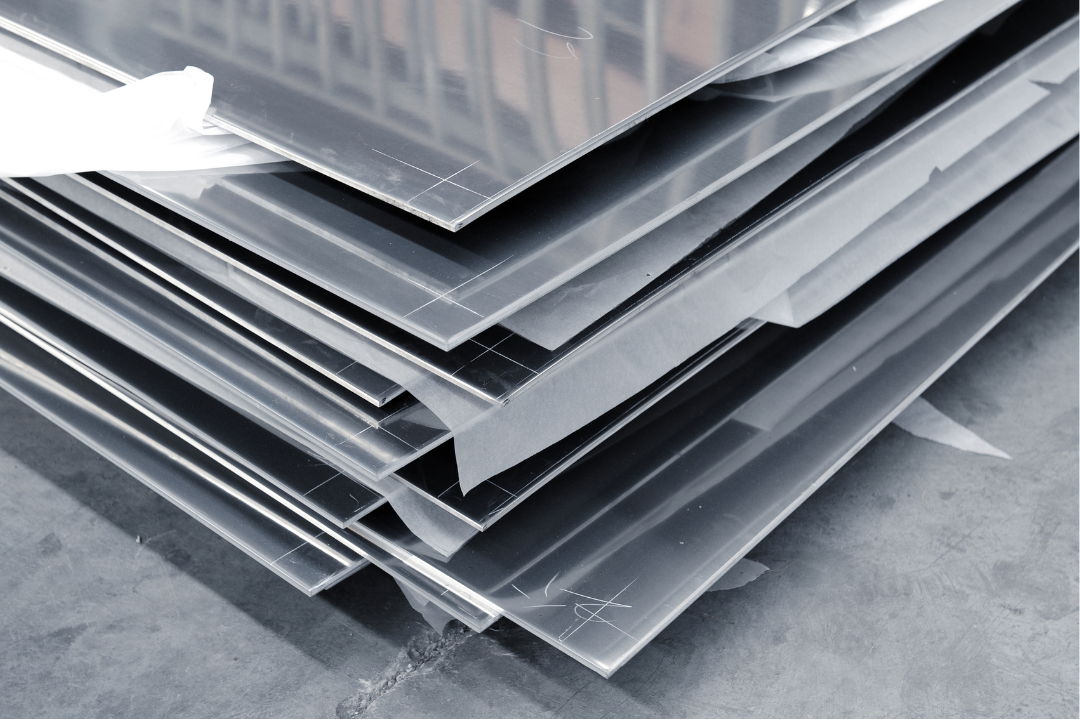
Precision CNC cutting, robotic aluminium fabrication, and improved coating technologies (PVDF, anodizing) have raised the bar for finish quality and durability. If you’re comparing suppliers, our overview of aluminium fabrication in the UAE explains what separates a factory-grade finish from one that will fade or corrode within a few years.
What This Means When You’re Evaluating a Facade Partner
Facade technology only delivers value if it’s applied correctly to your specific building. When you’re shortlisting contractors, it’s worth asking:
- Do they run in-house structural and wind load analysis, or outsource it?
- What fabrication technology and quality control processes do they use?
- Can they show completed projects with a similar facade typology to yours?
- Do they offer full lifecycle support design, engineering, manufacturing, installation, and future replacement or maintenance or only one stage?
A contractor that controls the full process, from facade design and facade engineering through to manufacturing and installation, typically delivers more consistent results than a project passed between multiple disconnected vendors because the same team that modeled the loads is the one fabricating and installing the panels.
Why Leskor Metal Industries for Facade Technology
Leskor Metal Industries is a multi-disciplinary facade contractor based in Dubai Industrial City, built around the idea that facade technology only matters if it’s applied by the same team from concept through to completion. Rather than outsourcing structural analysis to one firm, fabrication to another, and installation to a third, Leskor’s in-house engineers run CFD and wind load modeling on every project, then hand that data directly to our own manufacturing facility; equipped with European CNC machining and automated cutting lines – before our teams complete the installation.
This full-lifecycle model means the technology behind your facade isn’t a checklist item picked up from a brochure; it’s engineered specifically for your building’s height, exposure, and typology, by the people who will also be accountable for how it performs on site. It’s the same approach behind our work across high-rise towers, villas, hospitality, healthcare, retail, and civic projects throughout the UAE.
The Bottom Line
Facade technology isn’t a marketing term, it’s the combination of design software, structural modeling, fabrication precision, and material science that determines whether a building envelope performs for 25+ years or starts showing problems within five. As UAE regulations and client expectations continue to rise, the contractors who invest in this technology are the ones producing facades that pass inspection, perform thermally, and still look sharp a decade later.
If you’re planning a project and want to understand which facade technologies apply to your building type, height, and budget, get in touch with our engineering team for a technical consultation. You can also browse our completed projects to see these technologies applied across real UAE developments.