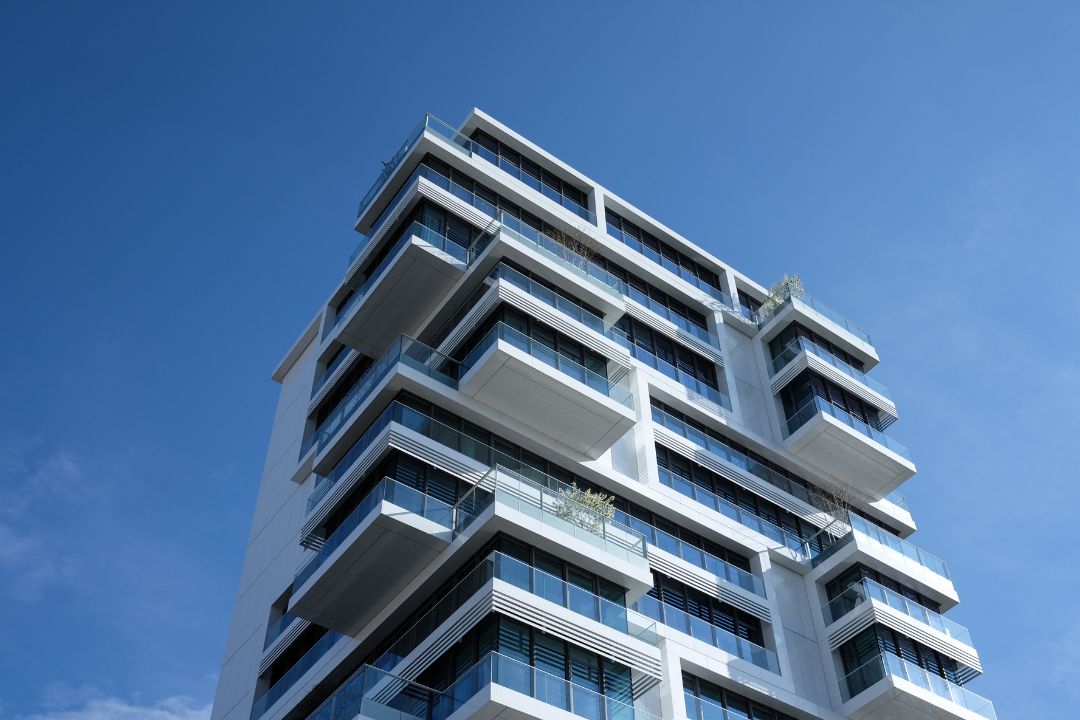
When you look at a modern glass tower in Dubai or Abu Dhabi, you’re not just seeing great architecture, you’re seeing the result of precise engineering. Every panel, bracket, seal, and frame has been calculated to withstand wind loads, heat, movement, and time.
That’s what facade engineering is all about. It’s the technical science that turns an architect’s vision into a safe, compliant, and high-performing building skin.
What is Facade Engineering?
Facade engineering is the discipline that deals with the design, analysis, and performance of a building’s exterior envelope commonly called the facade or building skin. It sits at the intersection of structural engineering, materials science, thermal physics, and architecture.
A facade engineer’s job is to make sure that:
- The facade can carry its own weight and resist wind, seismic, and thermal loads
- Water and air cannot penetrate the building envelope
- The facade meets fire safety and building code requirements
- Energy performance is optimized to reduce cooling loads
- The design can actually be built efficiently and within budget
Key Areas of Facade Engineering
Structural Analysis
Facade engineers calculate the forces acting on every element of the facade, including dead loads (the weight of the materials), wind loads, seismic forces, and thermal expansion. In the UAE, wind loads on high-rise towers can be enormous, and the difference in temperature between a scorching summer exterior and an air-conditioned interior creates constant expansion and contraction in aluminium frames.
Thermal Performance
A poorly designed facade can be responsible for 40–50% of a building’s energy consumption. Facade engineers specify the right type of glass, thermal break systems, and insulation layers to keep buildings cool without overworking the air conditioning. In Dubai, this is not just a cost issue it’s a requirement under the UAE Green Building Regulations and Estidama standards.
Water Tightness and Air Infiltration
The UAE experiences intense rainfall during winter months and coastal humidity year-round. Facade engineers design drainage systems, sealant joints, and weathering details to ensure water stays out and interior conditions remain stable.
Fire Performance
Following global incidents involving combustible cladding, the UAE has strict requirements for facade fire performance. Facade engineers specify and test materials to ensure compliance with UAE Civil Defence codes and international standards like ASTM and EN.
Facade Connections and Fixings
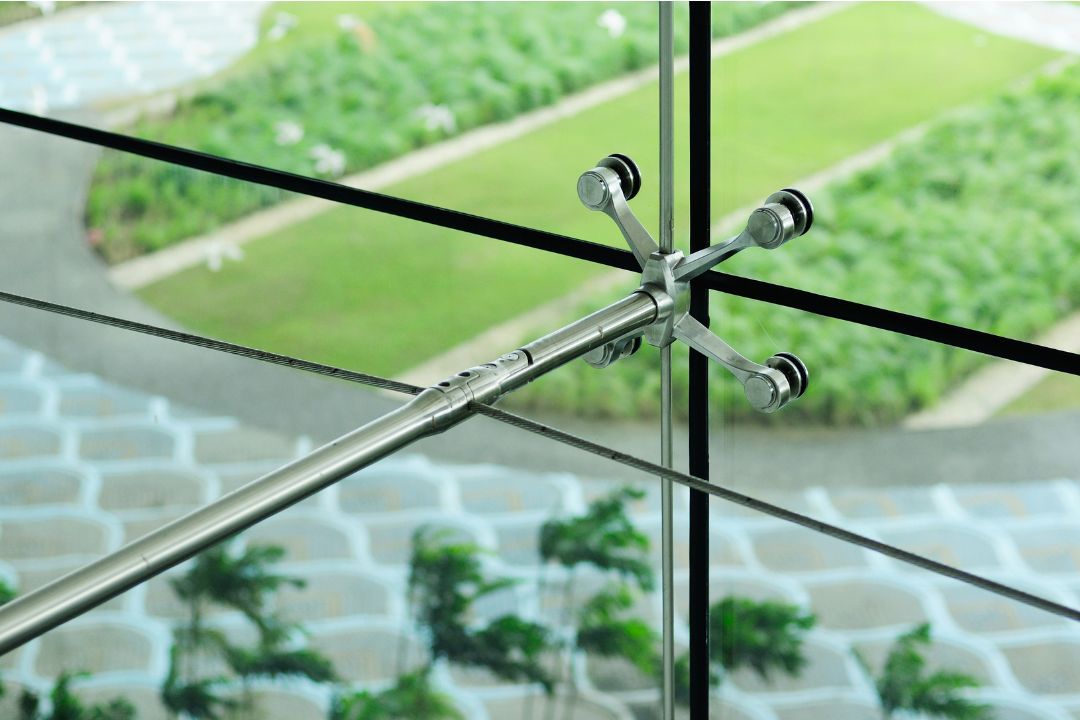
The connection between the facade and the building structure is critical. Engineers design anchor systems that can handle all loads, allow for construction tolerances, and accommodate long-term building movement without compromising the facade.
The Facade Engineering Process
Step 1: Design Development
Working alongside architects, facade engineers develop the technical concept; choosing facade systems, materials, and performance specifications that match the design intent and project budget.
Step 2: Structural Calculations
Detailed engineering calculations are prepared for structural loads, wind resistance, thermal movement, and connection design. These are submitted for approval to consultants, municipality, and civil defence as required.
Step 3: Shop Drawing Preparation
Shop drawings translate engineering designs into detailed fabrication and installation instructions. These precise drawings are used by the manufacturing workshop to cut, fabricate, and assemble facade components.
Why Facade Engineering Matters for UAE Projects
The UAE’s construction market is one of the most demanding in the world. Buildings here must perform in 50°C summer heat, survive 200 km/h wind gusts during rare but intense storms, and meet rapidly evolving green building standards.
Poor facade engineering can result in:
- Water leaks that damage interiors and lead to costly litigation
- Thermal bridging that spikes energy bills
- Regulatory non-compliance requiring expensive remediation
- Safety failures – in extreme cases, panels falling from height
Curtain Wall vs. Cladding: What’s the Difference?
Curtain Wall Systems
A curtain wall is a non-structural facade system — typically aluminium frames filled with glass — that hangs off the building structure like a curtain. It carries only its own weight and transfers wind loads to the structure through anchor connections. Curtain walls are common on commercial towers and office buildings.
Cladding Systems
Cladding refers to a layer of material applied to the outside of the structure, often for aesthetics, insulation, or weather protection. Common UAE cladding materials include aluminium composite panels (ACP), terracotta, and glass fibre reinforced concrete (GFRC).
Facade Engineering at Leskor Metal
At Leskor Metal Industries, our facade engineering team handles projects from concept to completion. We produce full structural calculations, shop drawings, and submission packages for UAE regulatory approvals. Our engineering capability is backed by local fabrication — meaning the designs we produce can actually be built efficiently in our manufacturing facility in Dubai Industrial City.
Whether you’re working on a high-rise curtain wall, a retail shopfront, or a residential villa facade, our engineers can ensure your project meets UAE standards for facade design, performance, and safety.
Want expert facade engineering for your next project? Get in touch with Leskor Metal — we handle everything from concept to installation.