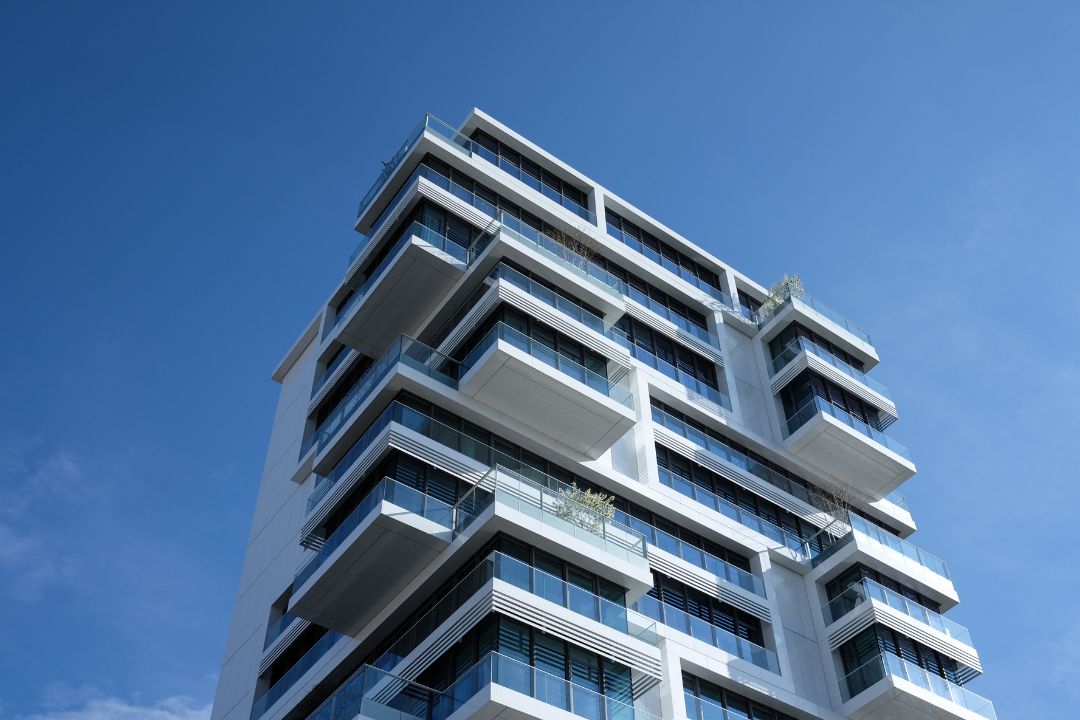
The UAE has never treated facades as mere exteriors. From the Museum of the Future’s calligraphy-wrapped torus to Capital Gate’s gravity-defying lean, the building envelope here is the architecture. And in 2026, facade design is evolving faster than ever — pushed by net-zero commitments, smarter materials, and a market where a building’s skin defines its brand.
Here are the trends defining facade design across Dubai, Abu Dhabi, and beyond this year.
1. Parametric and Geometric Facades
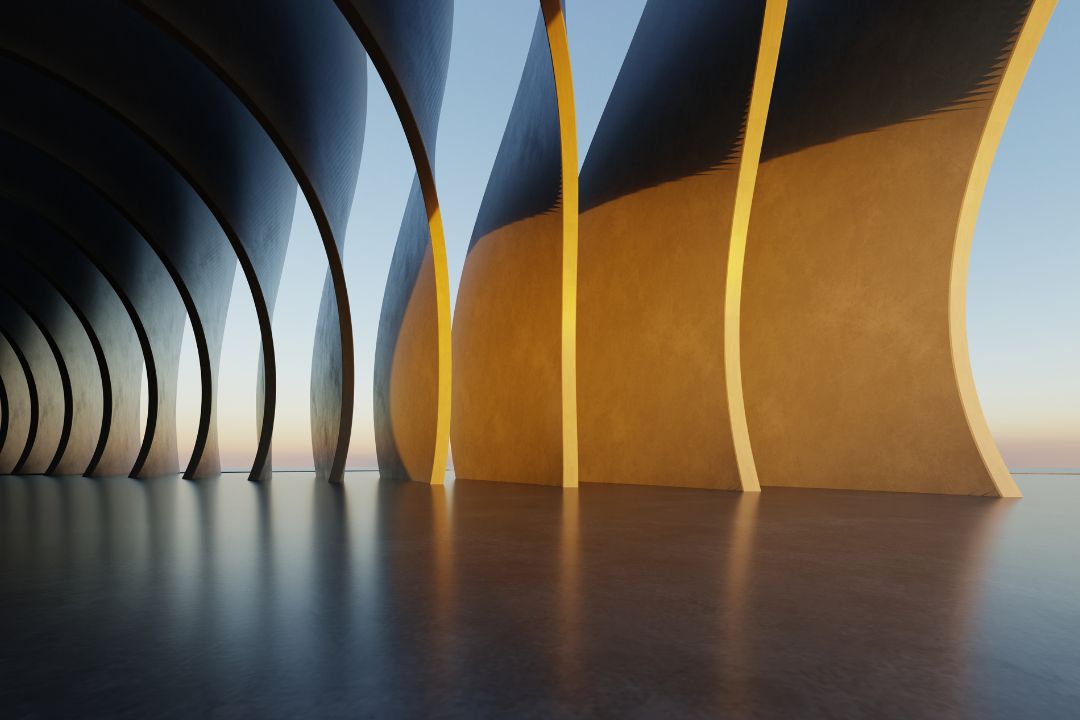
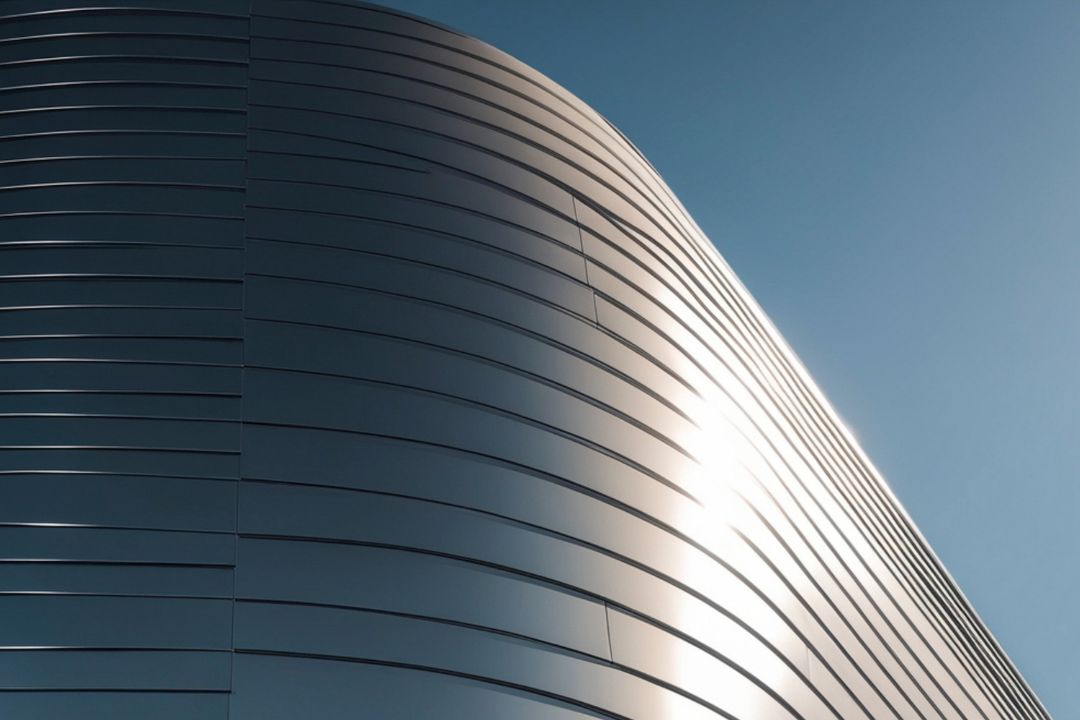
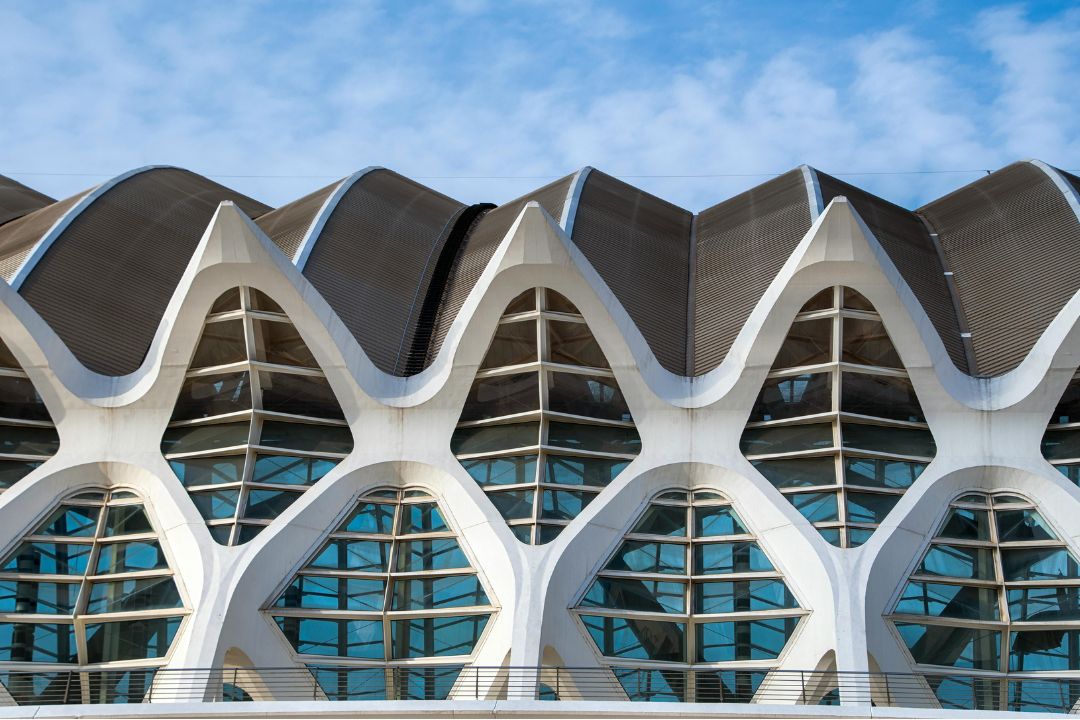
Computational design tools now let architects generate facades where every panel is subtly different twisting fins, gradient perforations, and rippling aluminium skins that respond to sun angles. What was once prohibitively expensive is now achievable thanks to CNC-driven aluminium fabrication, which translates complex digital geometry directly into manufactured panels. Learn how that process works in our guide to aluminium fabrication in the UAE.
2. Dynamic and Kinetic Shading
Static buildings are giving way to responsive ones. Motorized louvres, rotating fins, and origami-inspired screens famously pioneered by Al Bahr Towers’ mashrabiya — adjust throughout the day to block solar gain while preserving views. With cooling representing the majority of a UAE building’s energy use, dynamic shading is moving from landmark statement to mainstream specification, part of the broader smart facade movement reshaping UAE architecture.
3. Net-Zero-Ready, High-Performance Envelopes
UAE Net Zero 2050 and Dubai’s green building regulations are reshaping specifications. Designers are pushing low-SHGC glazing, thermally broken aluminium framing, increased opaque insulation ratios, and rigorous airtightness — performance fundamentals rooted in solid engineering. Aesthetics now begin with the energy model, and the envelope is designed as a single system, as we explain in our overview of architectural facade systems.
4. Solar-Integrated Facades (BIPV)
Building-integrated photovoltaics are graduating from rooftops to walls. Coloured PV spandrels, semi-transparent PV glazing, and solar fins let towers generate power from their own skin — a natural fit for a country with year-round sun and ambitious clean-energy targets.
5. Warm Materials and Texture: Beyond the Glass Box
The all-glass tower is being joined by richer material palettes: perforated and anodized aluminium, terracotta-toned cladding, GRC, and textured ACP finishes that evoke regional identity. Material choice remains performance-critical in this climate — our guides to choosing the right facade cladding in the UAE and aluminium cladding panels (ACP) cover the options in depth.
6. Biophilic and Shaded Outdoor Layers
Deep reveals, green walls, planted terraces, and double-skin facades create shaded buffer zones that make outdoor space usable for more of the year — blending wellness-driven design with passive cooling logic drawn from traditional Gulf architecture.
7. Facade Retrofits as Design Statements
With Dubai’s first generation of towers now 20–30 years old, recladding has become a major design opportunity. Owners are replacing dated, underperforming envelopes with contemporary high-performance skins — lifting asset value, slashing energy use, and meeting current fire codes in one move. Our essential guide to facade refurbishment in Dubai explains how these projects work.
Turning Trends into Buildable Facades
A trend only matters if it can be engineered, fabricated, and installed to survive the UAE climate. Leskor’s facade design team works with architects and developers to develop concepts into compliant, buildable systems — supported by in-house facade engineering and manufacturing. Explore our projects or get in touch to discuss your next facade concept.