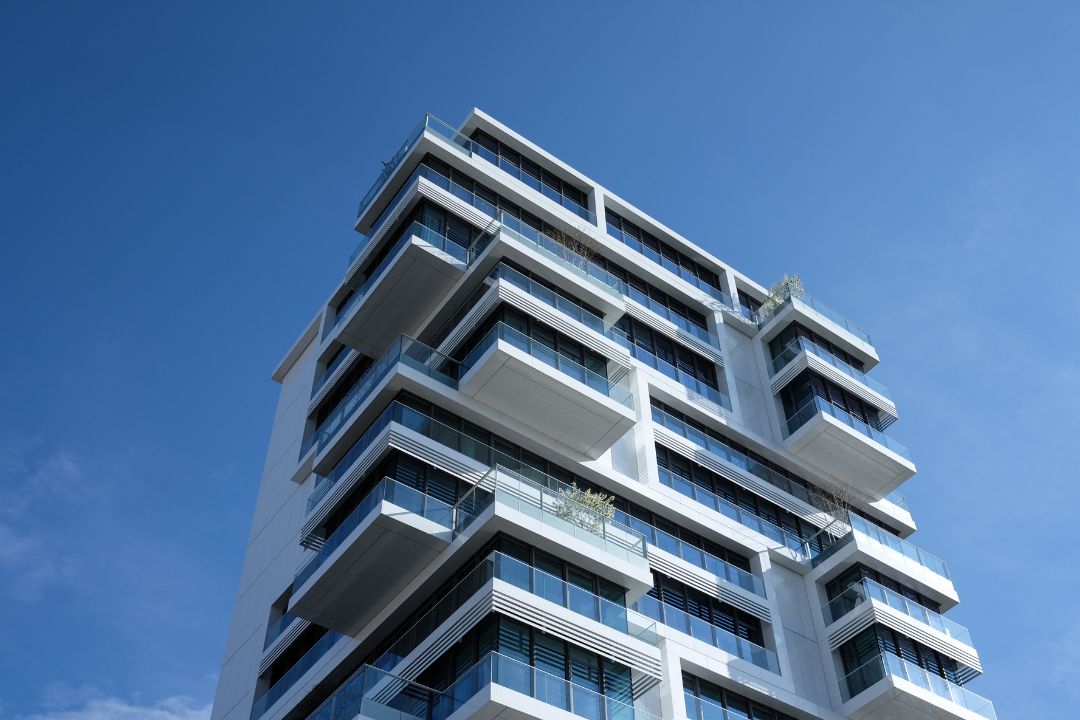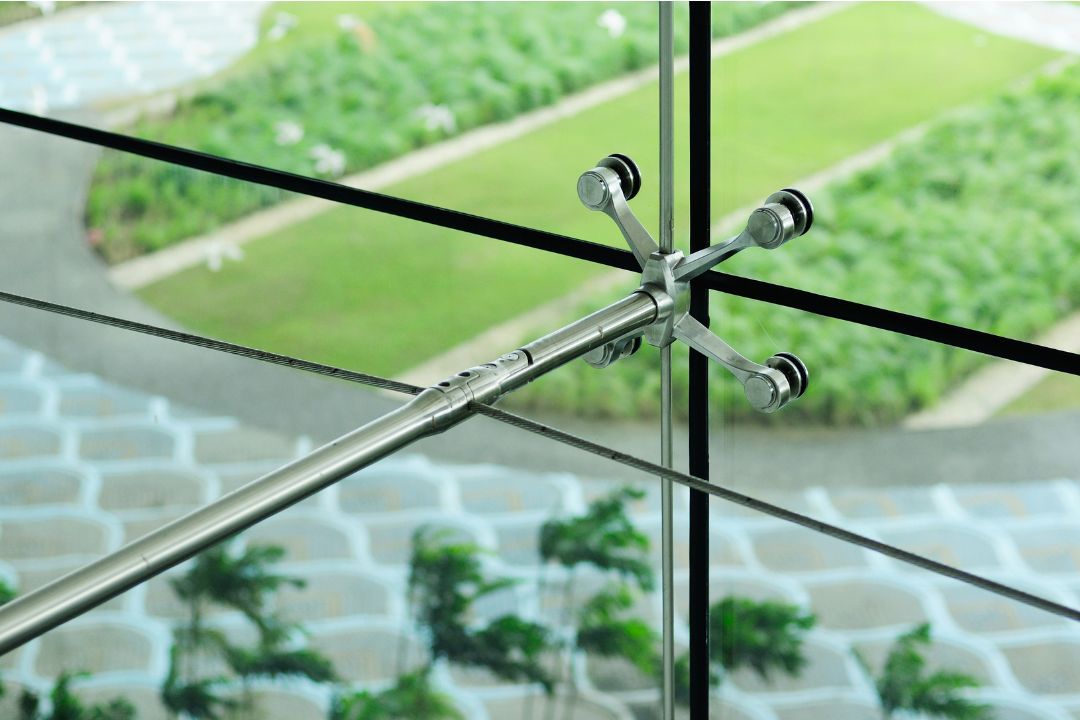
Glass can make up 70–90% of a modern facade’s surface — which means no single material decision affects a UAE building’s energy bills, comfort, and safety more than glazing selection. Yet “facade glass” isn’t one product. It’s a family of technologies, each engineered for a different job.
This guide explains the main facade glass types used across Dubai, Abu Dhabi, and the wider Emirates, and how to combine them for the region’s extreme climate.
1. Float Glass: The Starting Point
All architectural glass begins as annealed float glass. On its own, it’s rarely used in facades — it breaks into dangerous shards and offers poor thermal performance. Its real value is as the base material that gets processed into everything below.
2. Tempered (Toughened) Glass
Heat treatment makes tempered glass four to five times stronger than annealed glass, and when it breaks, it crumbles into small, relatively harmless fragments. It’s the default safety choice for spandrels, doors, ground-floor glazing, and high wind-load zones identified during facade engineering analysis.
3. Laminated Glass
Two or more glass layers bonded with a PVB or SentryGlas interlayer. If it cracks, fragments stay adhered to the interlayer — the glass holds together instead of falling. UAE authorities increasingly require laminated glass for overhead glazing, balustrades, sloped facades, and high-rise applications where falling glass is unacceptable. Laminated build-ups also improve acoustic insulation, a real benefit near Sheikh Zayed Road or flight paths.
4. Insulated Glass Units (IGUs / Double Glazing)
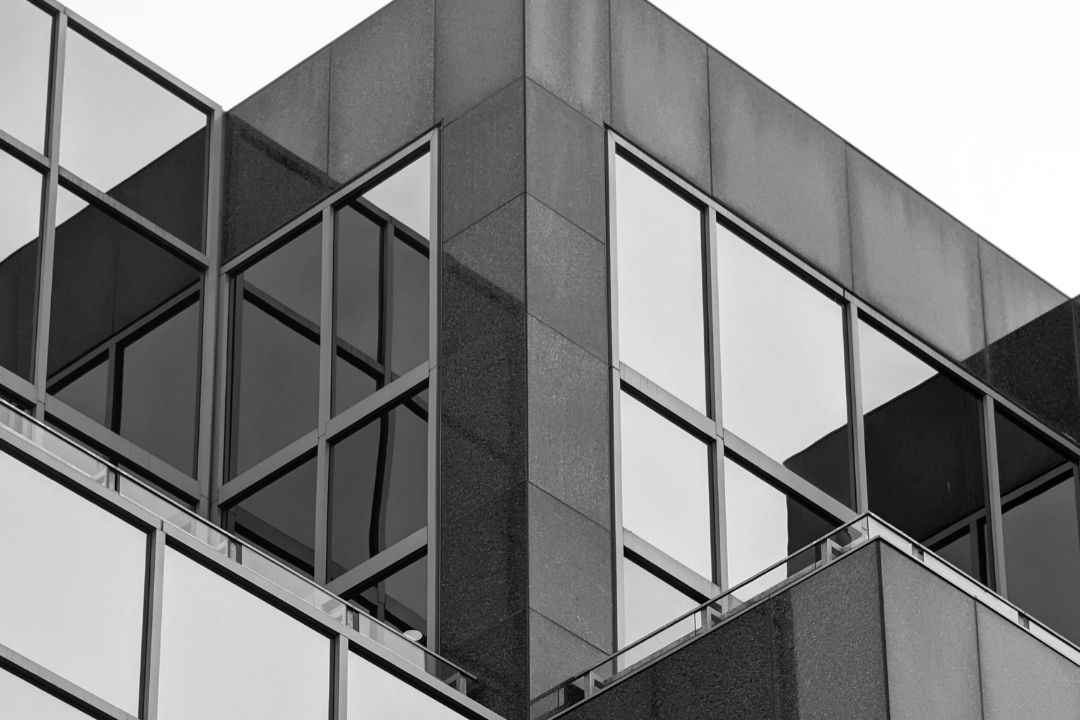
An IGU seals two or three panes around a spacer with an argon- or air-filled cavity. The cavity dramatically slows heat transfer — essential when outdoor temperatures hit 48°C while interiors target 23°C. Virtually every serious commercial facade in the UAE now uses IGUs, typically combining a coated outer pane with a laminated or tempered inner pane. IGUs are the core of curtain wall glass performance in modern architecture.
5. Low-E (Low-Emissivity) Coated Glass
A microscopically thin metallic coating that reflects infrared heat while letting visible light through. In the UAE, solar-control Low-E coatings are the single most effective glazing technology for cutting cooling loads. Key performance numbers to specify:
- SHGC (Solar Heat Gain Coefficient): lower is better here — high-performance facades target 0.25 or below.
- U-value: how fast heat conducts through; lower means better insulation.
- VLT (Visible Light Transmittance): how much daylight enters — balance against glare.
6. Tinted and Reflective Glass
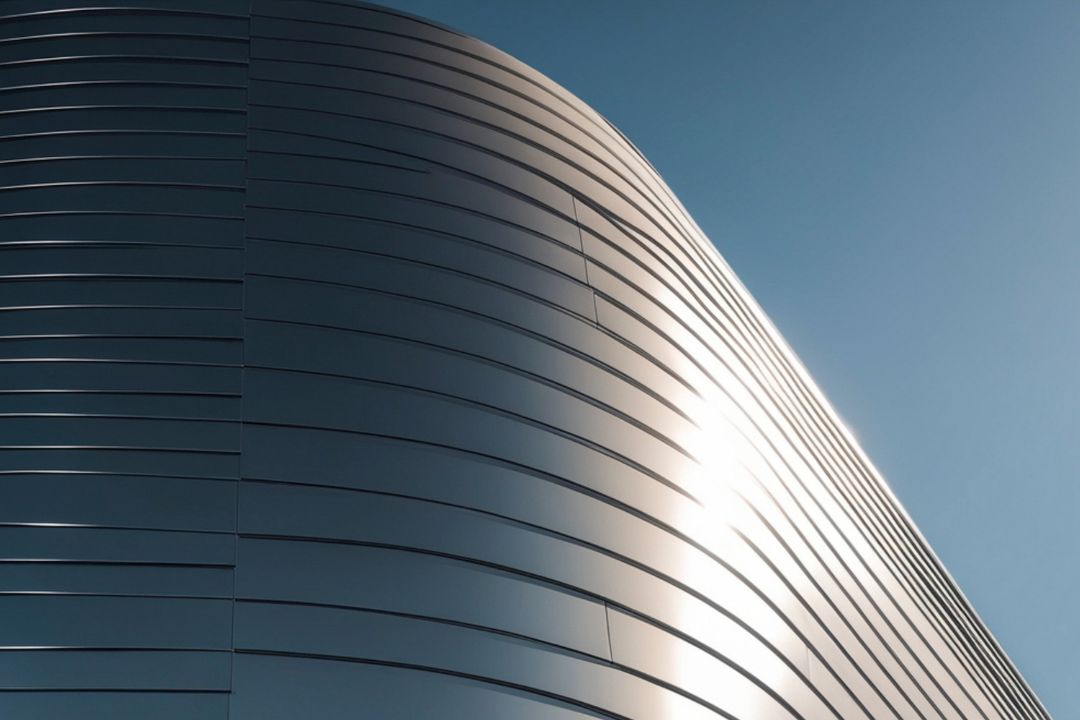
Body-tinted glass (grey, blue, green, bronze) absorbs solar radiation, while reflective coatings bounce it away — both shaping a building’s aesthetic identity. Modern projects usually pair tints with Low-E coatings inside an IGU rather than relying on tint alone, which can overheat and increase thermal stress.
7. Specialty Glazing
Ceramic-fritted glass: printed patterns for shading and bird safety
Fire-rated glazing: required at specific boundaries under UAE Fire & Life Safety Code — see our facade fire safety compliance guide
Switchable / smart glass: electrochromic panels that tint on demand, part of the broader rise of smart facades in UAE architecture
How to Combine Glass Types: A Typical UAE Specification
A high-performance Dubai office tower facade commonly specifies an IGU with: a 6–8 mm heat-strengthened outer pane with solar-control Low-E coating, a 16 mm argon-filled cavity, and a laminated inner pane (e.g., 6+6 mm with PVB). This single build-up delivers solar control, insulation, safety, and acoustic comfort simultaneously.
The right specification always depends on orientation, height, wind loads, and budget — which is why glazing should be selected alongside the frame system, not after it. If your existing glazing is failing — fogged IGUs, cracked panes, or poor thermal performance — read our guide to facade glass replacement for commercial and residential buildings.
Source the Full System, Not Just the Glass
Glass performs only as well as the aluminium framing, gaskets, and structural silicone around it. Leskor engineers complete glazed systems — explore our facade engineering and glass and facade demolition services, browse our products, or contact us for a glazing specification review.