Every facade decision eventually comes down to material. Before you can decide on a curtain wall system, a ventilation strategy, or a panel supplier, you need to know which facade materials actually make sense for your building’s height, budget, and location within the UAE. This guide compares the core material categories used in the region and the trade-offs behind each.
Why Material Choice Drives Everything Else
Facade material selection isn’t a single decision – it determines structural loading, fire compliance category, thermal performance, maintenance cost, and how the facade will look 15 years from now. In the UAE specifically, materials also have to withstand intense UV exposure, salt-laden coastal air, and temperature swings between blazing daytime heat and cooler nights, all of which accelerate wear on lower-grade materials. Our guide on what a facade is and why it matters lays out the functional role materials play beyond appearance.
The core Facade Materials Used in UAE Construction
1. Glass
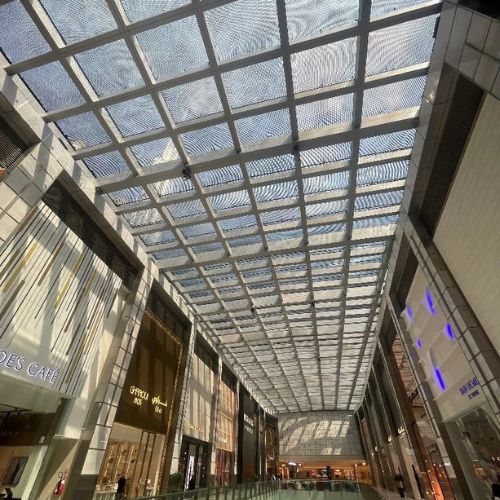
Glass makes up 70–90% of most modern commercial facades in the UAE, and material choice here matters enormously from single glazed to double-glazed insulated units (IGUs), low-E coatings, and tinted or reflective variants. Glass selection directly affects solar heat gain, glare, and cooling costs. We cover this in detail in our guide to facade glass types explained, including how to choose the right glazing for UAE conditions
2. Aluminium
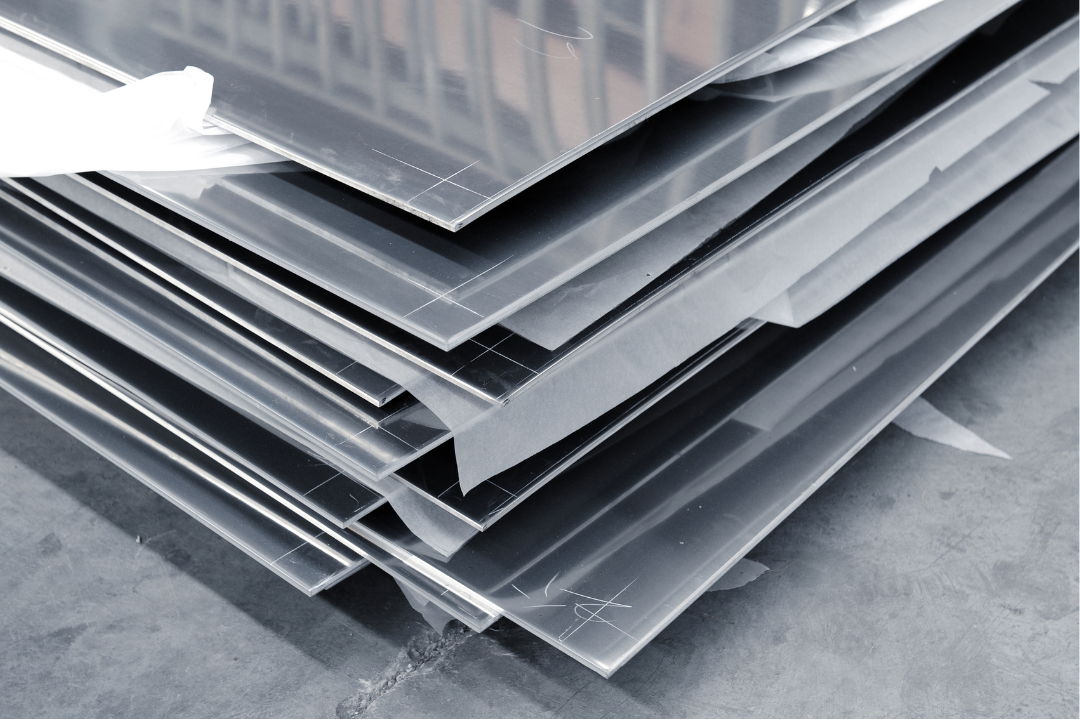
Aluminium is the structural backbone of most UAE facade systems, used in curtain wall framing, window systems, and as the base material for composite cladding panels. It’s valued for being lightweight, corrosion-resistant when properly coated, and easily fabricated into custom profiles. Our article on aluminium fabrication in the UAE explains how raw aluminium becomes finished facade components.
3. Aluminium Composite Material (ACM/ACP)
A composite of aluminium sheets bonded to a fire-retardant or mineral core, ACP is the dominant cladding material for mid- and high-rise buildings in the region post-regulation tightening. It balances cost, weight, and design flexibility better than most alternatives. See our full ACP overview for core types and compliance considerations.
4. GRC (Glass Reinforced Concrete)
Used where ornamental detail or heritage-style architecture is required, GRC offers design flexibility that metal panels can’t match, at the cost of additional weight and installation complexity.
5. Natural Stone
Stone cladding remains popular for luxury and cultural projects, offering unmatched permanence and texture, but requires more substantial structural support and a properly ventilated installation system to manage thermal movement.
6. Steel and Specialty Metal
Stainless steel and specialty metal finishes appear in feature areas, entrances, and premium developments where durability and a distinctive finish justify the higher material cost.
Comparing Facade Materials: What Actually Matters
Fire Performance
This is non-negotiable in the current UAE regulatory environment. Materials and their cores must meet Civil Defence classification requirements based on building height, a factor that should filter your material shortlist before cost or aesthetics do. Our facade fire safety compliance guide explains how these classifications work in practice.
Thermal Performance
Materials with poor insulation or high solar absorption increase a building’s cooling load – a significant, ongoing operating cost in the UAE. Glass specification and cladding color/finish both play into this, which is why material and glazing choices are usually optimized together rather than separately.
Weight and Structural Impact
Heavier materials like stone and GRC require more robust structural support and sub-frame engineering, which affects both cost and the structural design of the building itself a consideration that belongs in the facade engineering phase, not after materials are already selected.
Maintenance and Lifecycle Cost
Cheaper materials with lower-grade coatings often cost more over a building’s lifetime through recoating, panel replacement, and repairs. Our facade maintenance guide outlines what ongoing upkeep looks like for different material types, and our guide to facade glass replacement covers what’s involved when glazing needs updating.
Sourcing and Supplier Quality
The same material spec can perform very differently depending on the supplier’s fabrication quality and coating process. If you’re sourcing at scale, our guides to the best aluminium cladding suppliers in the UAE and top aluminium facade companies outline what separates reliable manufacturers from the rest.
A practical Starting Point
If you’re early in material selection, a reasonable approach is:
- Confirm your building’s fire classification requirements based on height and use.
- Shortlist materials that meet that classification.
- Model thermal performance and cooling load impact for each option.
- Weigh installation and lifecycle maintenance cost, not just upfront material price.
- Bring in your facade engineering partner before finalizing – material and structural decisions affect each other.
Why Choose Leskor for Facade Materials
Leskor Metal Industries works across nearly every material category covered in this guide; glass, aluminium, ACP, GRC, stone, and specialty metals as a single multi-disciplinary contractor handling design, engineering, manufacturing, and installation under one roof from our facility in Dubai Industrial City. That range matters at the material-selection stage specifically, because it means the recommendation you get isn’t limited to whatever one product line a supplier happens to stock.
Our in-house engineers weigh fire classification, thermal performance, and structural loading for each material option against your building’s specific requirements before anything is fabricated, and our ISO-certified facility – equipped with European CNC machining, carries that specification through to a finished, code-compliant facade. It’s an approach that’s supported projects ranging from private villas to high-rise towers, hospitality, healthcare, retail, and civic buildings across the UAE.
The Bottom Line
Facade material selection is where every other decision in a project – compliance, cost, performance, and appearance; starts to take shape. Getting it right early avoids costly redesigns later and sets your building up to perform well for decades, not just look good on handover day.
If you’re comparing facade materials for an upcoming project, our design and engineering teams can help you evaluate options against your building’s height, budget, and compliance requirements. Contact our team to get started, or explore our facade design and engineering services to see how we support material selection from concept through installation.