If you ask five people on a Dubai construction site what “ACP” means, you might get five different answers. Some think it’s just cladding, while others confuse it with fire ratings. Whether you’re reviewing a contractor’s quote, picking materials, or just curious about a nearby building, unclear jargon can cause delays. In facade work, misunderstanding a term can result in ordering the wrong materials or encountering compliance issues later.
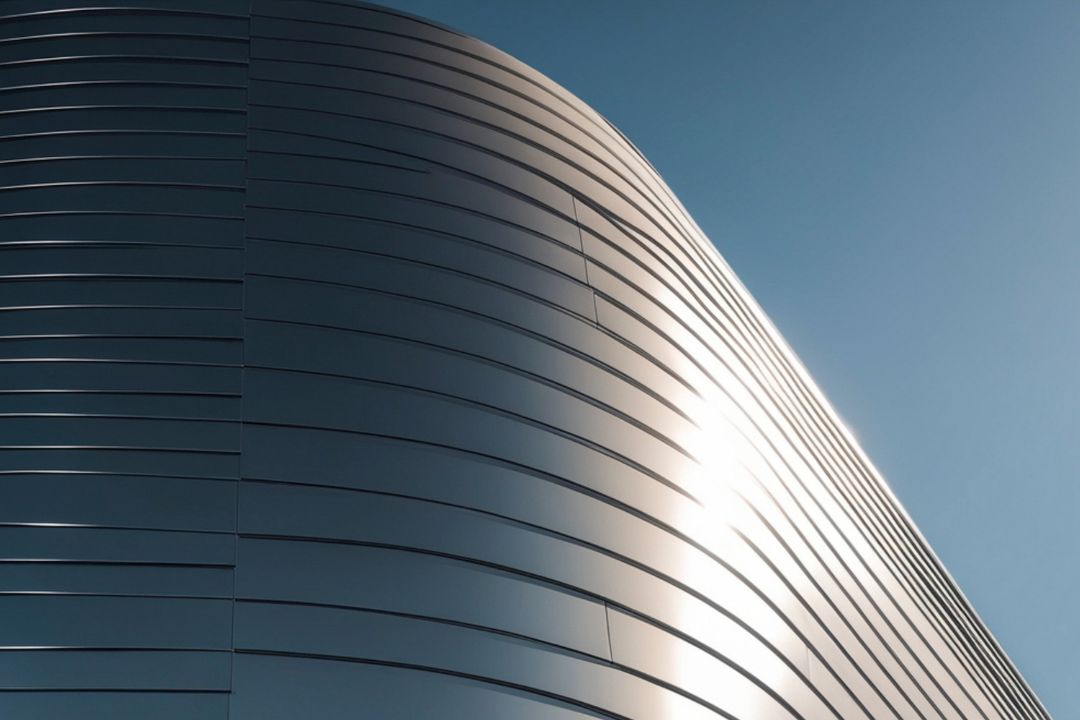
ACP stands for Aluminium Composite Panel. It is a flat panel made of two thin aluminium sheets attached to a solid core, which is usually filled with minerals or fire-retardant material. Builders use ACP for external cladding because it is lightweight, weatherproof, and can be shaped into flat, curved, or folded surfaces.
That’s the short answer. The rest of this page gives you a detailed glossary you can bookmark and use. It’s helpful whether you’re an architect writing a specification, a developer reviewing a proposal, or a facilities manager trying to identify what’s on your building.
Why This Terminology Actually Matters
Facade jargon matters. If you mix up “cladding” and “curtain wall” in a brief, you could end up pricing the wrong system. If you confuse a PE-core ACP with an FR-core ACP, you might face a civil defence rejection after the panels are ordered.
These terms appear in tender documents, shop drawings, and site meetings throughout the UAE every day.
The Core Materials: ACP and Cladding
ACP (Aluminium Composite Panel)
An ACP panel has an aluminium skin, a solid core, and another aluminium skin. The type of core makes a big difference. A polyethene (PE) core is affordable and flexible but can catch fire easily. A fire-retardant (FR) core is better at resisting ignition. An A2 or mineral core is almost non-combustible and is now required for high-rise cladding in most of the UAE. We will explain how these compare in the fire-safety section below. For more technical details about panel composition and specifications, see our ACP Comprehensive Overview.
Cladding
Cladding is a general term for any outer layer added to a building for weather protection, insulation, or appearance. ACP, natural stone, terracotta, glass, and timber panels are all types of cladding. ACP is just one kind of cladding, not another word for it.
Curtain Wall
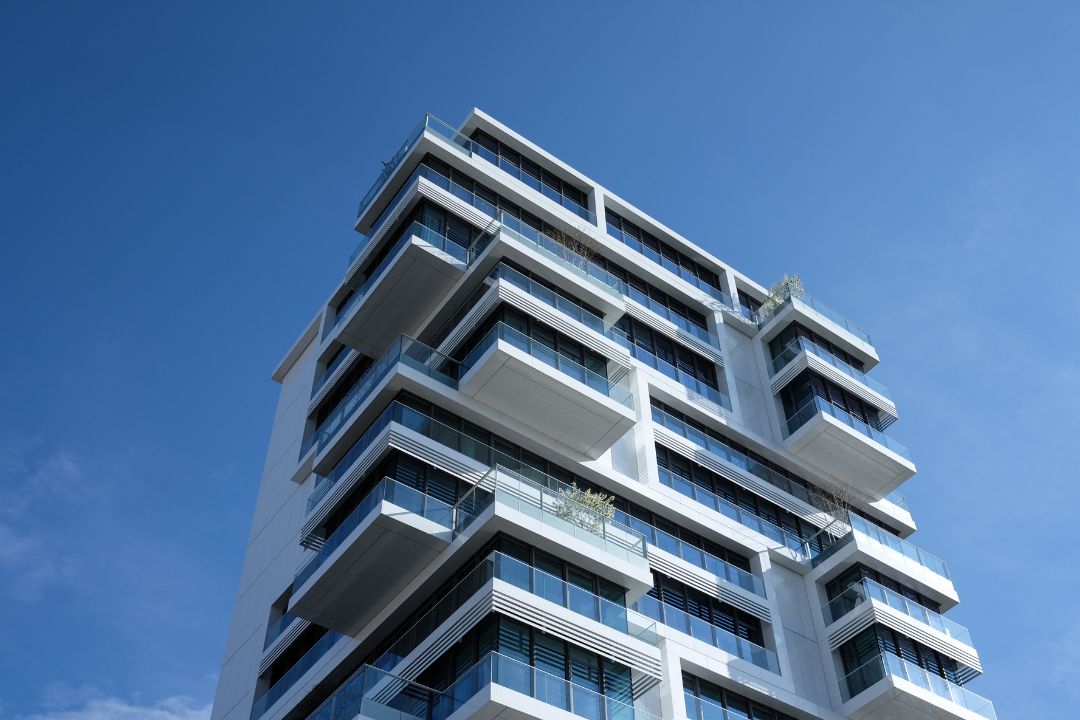
A curtain wall is a non-structural exterior wall system, usually made of glass and aluminium, attached to the building’s structural frame instead of supporting the building’s weight. Curtain walls are a separate category from cladding. Curtain walls are usually the primary building envelope, while cladding is often added over or alongside them for visual or thermal reasons. If you are considering curtain wall options for a project, our Aluminium Curtain Wall Systems page explains what we make in-house.
Facade Systems: Stick, Unitized, and Ventilated
Stick System
Installers build a stick curtain wall on site, putting up mullions and transoms first, then adding the glass. This method works well for irregular shapes and renovation projects, but it is slower to install than a unitized system.
Unitized System
Panels are glazed and sealed in a factory, then lifted and attached to the building. Quality control takes place indoors, which is important in a climate where sealant applied on site must withstand 45°C summers. Unitized vs Stick Curtain Wall Systems
Ventilated Facade / Rainscreen
A ventilated or rainscreen facade creates a small air gap between the cladding and the building’s insulation layer. Air flows through this gap, removing heat and moisture from the wall. This is important in the UAE, where solar heat increases cooling costs. Most modern ACP rainscreen systems in the region use this principle.
Structural Terms You’ll Hear On Site
Several engineering terms are commonly used after the material selection stage:
- Mullion and transom: the vertical and horizontal aluminium bars that form a curtain wall’s frame.
- Thermal break: an insulating barrier inside the aluminium frame that prevents heat from moving from outside to inside, reducing cooling loads.
- Wind load: the pressure wind exerts on a facade, calculated through structural analysis before a single panel is fabricated. Wind Load Analysis in Facade Engineering
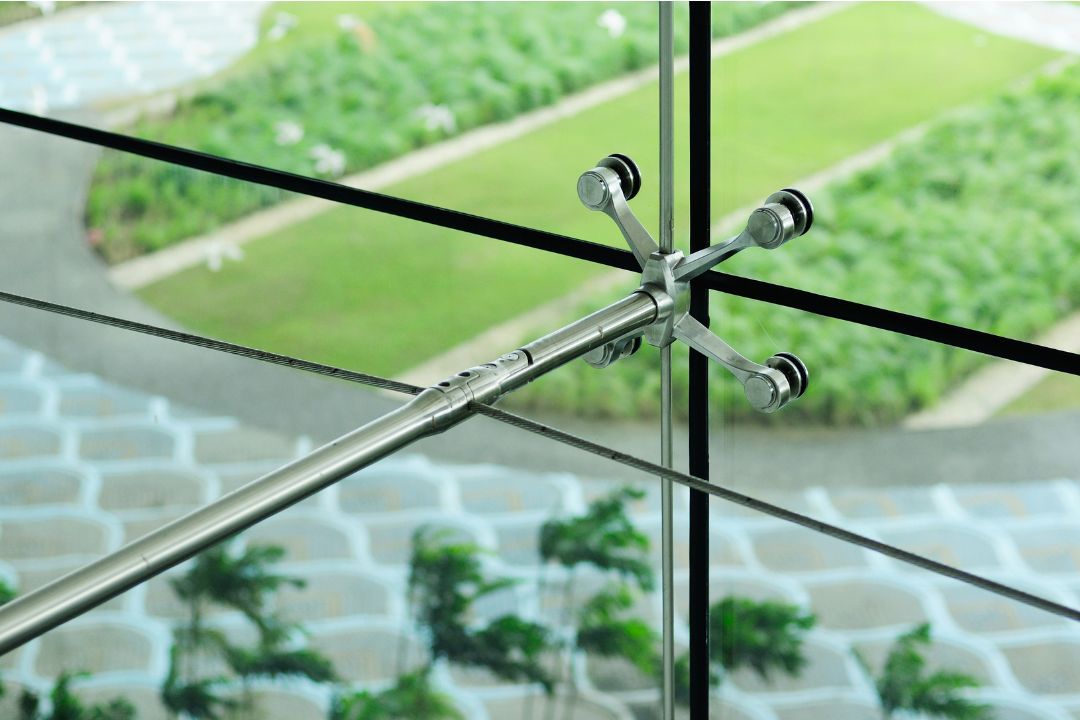
- Spider fitting: a stainless-steel fitting used in structural glazing to secure frameless glass panels without visible mullions. This is common in lobbies and atriums.
- Value engineering: the process of changing a facade design to achieve the same performance and appearance at a lower cost. This is usually done by the architect and contractor before fabrication begins.
Fire Safety Terms: Not All ACP Cores Are Equal
At this point, terminology becomes a legal issue. UAE Civil Defence made cladding rules stricter after several major facade fires, and the type of core you specify now decides if your project will be approved.
| Core Type | Fire Behavior | Typical Use Today | UAE Approval Status |
| PE (Polyethylene) core | Combustible, feeds fire spread | Largely phased out for exteriors | Restricted / not approved for most facades |
| FR (Fire Retardant) core | Reduced flame spread, still combustible | Interior or low-rise, case by case | Requires review, often restricted on high-rises |
| A2 / Mineral core | Non-combustible or near non-combustible | Standard for new high-rise cladding | Generally required for towers above defined height thresholds |
We go in depth on exactly which approvals you need and how the process works in our upcoming guide. Fire-Rated ACP Civil Defence Approval Guide
Quick-Reference Glossary
Bookmark this table for site visits and spec reviews:
| Term | Plain-English Meaning |
| PVDF coating | A high-durability paint finish on aluminium, resists fading and chalking for decades |
| Anodizing | An electrochemical finish that hardens and colors aluminium without paint |
| Sightline | The visible width of the aluminium frame between glass panes; “slim” systems have narrower sightlines |
| Structural silicone | High-strength sealant that bonds glass to frame, sometimes without mechanical clips |
| Weep holes | Small drainage gaps in a frame that let water escape instead of pooling |
| Shop drawings | Detailed fabrication drawings produced after design approval, before manufacturing begins |
| Glazing | The general term for installing glass into a frame or system |
FAQ
What does ACP stand for in construction?
ACP stands for Aluminium Composite Panel: a panel with two aluminium sheets bonded to a solid core, used as exterior cladding on buildings.
What is the difference between ACP and cladding?
Cladding is the broad category of exterior building coverings. ACP is a specific type of cladding material, alongside options such as stone, terracotta, and glass panels.
Is ACP fire-safe for high-rise buildings in the UAE?
It depends on the core. PE-core ACP is combustible and largely restricted for exteriors today. A2 or mineral-core ACP is non-combustible or near non-combustible and is generally what UAE Civil Defence requires for high-rise projects now.
What’s the difference between a curtain wall and a facade?
“Facade” is the general term for a building’s entire exterior face. A curtain wall is one specific type of facade system: a non-structural glass-and-aluminium wall hung on the building frame.
Still Not Sure Which System Your Project Needs?
Understanding terminology is the first step. Selecting the right core, system, and supplier for your building, budget, and compliance needs can be complex, and many projects lose time and money by guessing. If you are specifying a facade or reviewing a proposal and want advice from a team that designs, engineers, and installs these systems in-house, Facade Design Services. Contact us and we will guide you through what your project needs.