Once a building’s structural facade system is decided, one question determines much of its final appearance, cost, and performance: which facade panels will clad it? Panels aren’t interchangeable; each type behaves differently under UAE heat, carries different fire ratings, and suits different budgets and design intents. This guide compares the main facade panel types used across Dubai and Abu Dhabi and what to weigh before specifying one.
Why Facade Panel Choice Is a Bigger Decision Than It Looks
Facade panels aren’t just a finish; they’re a performance layer that affects fire compliance, thermal behavior, weight loading on the structure, and long-term maintenance cost. Since Dubai Civil Defence tightened cladding regulations following several high-profile facade fires in the region, panel selection has become as much a compliance decision as an aesthetic one. Our facade fire safety compliance guide covers the regulatory side in detail; this article focuses on the material and performance comparison.
The Main Types of Facade Panels Used in the UAE
1. Aluminium Composite Panels (ACP)
ACP remains the most widely used facade panel material in the region — a sandwich of two thin aluminium sheets bonded to a core material. Modern UAE-compliant ACP uses a fire-retardant (FR) or A2-rated mineral core rather than the combustible polyethylene cores now banned for high-rise use. ACP is prized for its light weight, wide color range, and workability into curved or folded forms. We break down composition, core types, and applications in our full ACP aluminium cladding panels overview.
2. High-Pressure Laminate (HPL) Panels
HPL panels are made from layered kraft paper and resins compressed under high heat and pressure, finished with a decorative surface. They offer strong impact resistance and a wide range of textures, including wood-look finishes that are popular for feature walls and lower-rise facades, though they’re used more selectively on high-rises due to fire performance considerations.
3. GRC (Glass Reinforced Concrete) Panels
GRC panels combine cement, sand, and glass fiber reinforcement to create lightweight, moldable panels often used for ornamental or heritage-style facades — a common choice for cultural buildings, hotels, and mosques across the UAE. They handle heat well and can be cast into intricate geometric or Islamic-pattern designs, but they’re heavier than ACP and typically cost more to install.
4. Solid Aluminium and Metal Panels
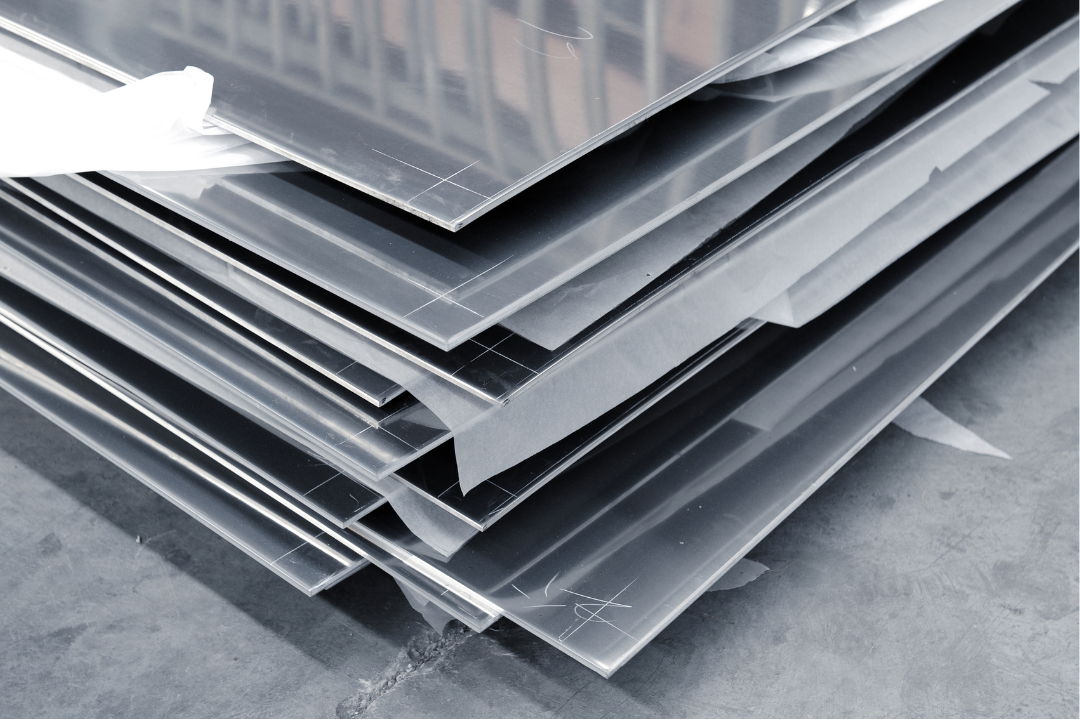
Solid aluminium, stainless steel, and perforated metal panels are used where durability, a premium finish, or specific fire ratings are priorities. They cost more than ACP per square meter but offer excellent longevity and are inherently non-combustible, which simplifies compliance on taller buildings.
5. Natural Stone and Terracotta Panels
Stone and terracotta cladding panels are used on prestige projects for their texture and permanence. They’re heavier, requiring more robust sub-frame support, and are typically installed as part of a ventilated rainscreen system to manage thermal movement and moisture — a topic we cover in our guide to facade ventilation systems.
How to Choose the Right Facade Panel
Match the Panel to the Building Height and Fire Category
UAE Civil Defence classifications restrict combustible-core materials above certain heights. This should be the first filter applied, before aesthetics or budget — a panel that looks right but fails a fire classification review isn’t a viable option.
Consider the Installation System
Panel choice and the mounting/ventilation system are linked. Heavier panels like GRC or stone need different sub-frame engineering than lightweight ACP. This is why panel specification should happen in coordination with your facade engineering team, not in isolation from the structural design.
Factor in Maintenance and Lifespan
ACP with a quality PVDF coating can hold its finish for 20+ years in UAE conditions if properly installed; lower-grade coatings fade or chalk within a few years. Metal and stone panels generally require less recoating but carry higher upfront costs. Our facade maintenance guide covers what long-term panel upkeep actually involves.
Compare Suppliers, Not just Materials
Panel performance varies significantly by manufacturer and fabrication quality — the same “ACP” spec can behave very differently depending on core composition and coating process. If you’re sourcing panels or comparing fabricators, our guides to the top aluminium facade companies in the UAE and why your metal facade fabricator matters outline what separates reliable suppliers from the rest.
A Quick Comparison
| Panel Type | Weight | Fire Performance (FR/A2 Core) | Best For |
| ACP | Light | Good (with FR/A2 core) | Most commercial towers |
| HPL | Medium | Moderate | Lower-rise, feature areas |
| GRC | Heavy | Excellent | Ornamental, heritage-style facades |
| Solid Metal | Medium-Heavy | Excellent | Premium, high-rise applications |
| Stone/Terracota | Heavy | Excellent | Prestige, cultural projects |
Why Choose Leskor Metal Industries for Facade Panels
Leskor supplies and installs the full range of facade panel types covered above — including fire-rated ACP, solid aluminium, and perforated metal screens — manufactured at our own Dubai Industrial City facility using European CNC machining and automated cutting lines, so tolerances stay within millimeters across large panel runs.
What sets the process apart is that panel selection isn’t handled in isolation from engineering. Our in-house team runs the structural and wind load calculations that determine sub-frame spacing and fixing loads, then fabricates and installs the panels against that same data — so the panel type you choose is matched to a bracket and cavity system engineered specifically for it, not a generic detail applied across every project.
The Bottom Line
There’s no single “best” facade panel only the panel that’s best suited to your building’s height, fire classification, design intent, and budget. The right decision comes from evaluating panel material, sub-frame system, and fabrication quality together, not separately.
If you’re specifying facade panels for a new build or replacement project, our team can help you compare options against your building’s requirements. Speak with our facade design team or contact us to review your project, and browse our product range for panel systems we manufacture and install.