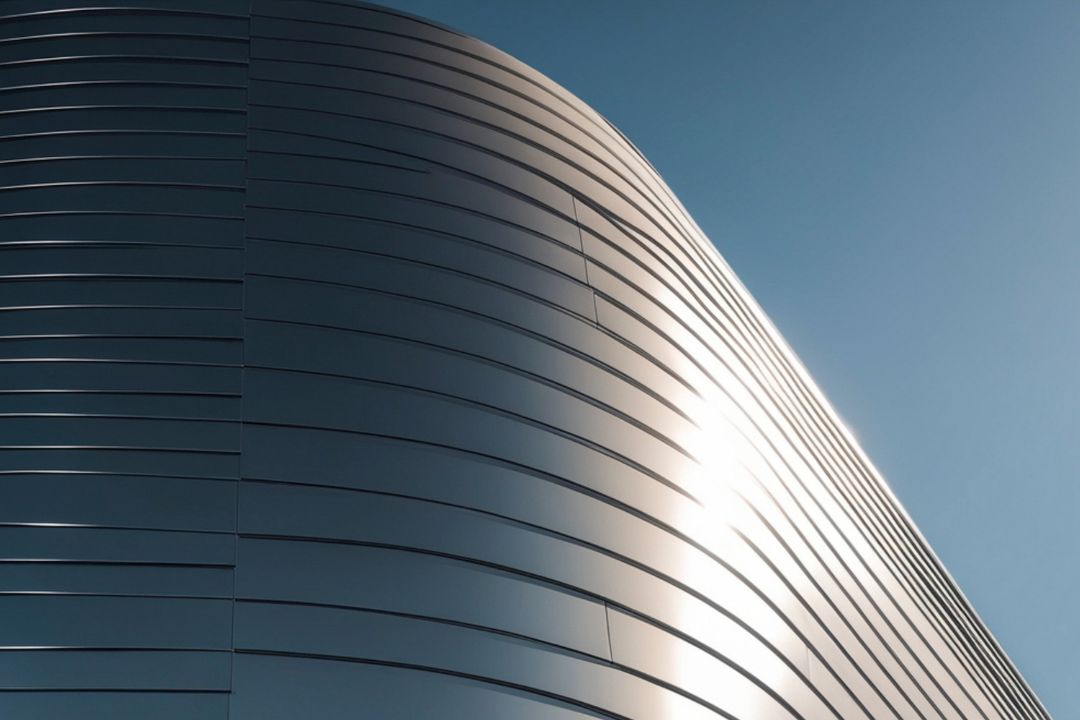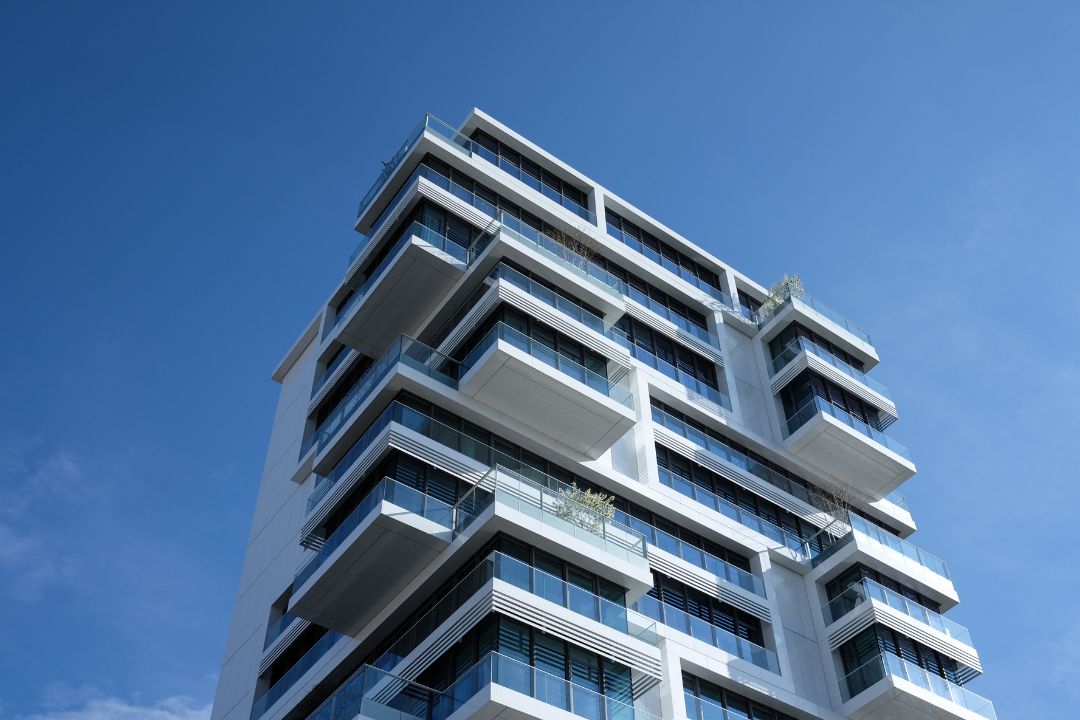
Take a moment to imagine a modern skyline. Cities like Dubai, New York, and London are defined by towering skyscrapers that look like continuous, shimmering sheets of glass. This breathtaking, seamless aesthetic is achieved through the use of curtain wall glass.
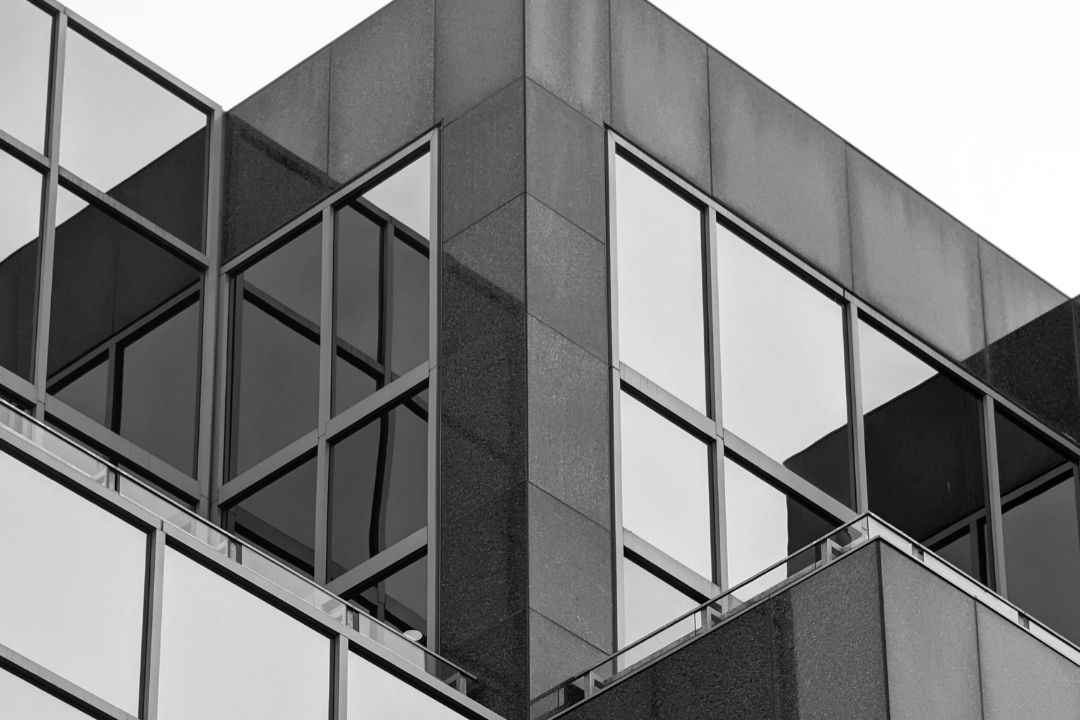
Curtain wall glass is an essential part of the modern facade industry. It forms the clear, non-structural outer envelope of a building. Because a curtain wall does not carry the structural weight of the building’s roof or concrete floors, architects are free to use massive, wide-spanning panels of glass to create walls that are entirely transparent.
But facade glass is not just about making a building look beautiful. It is highly engineered technology designed to protect occupants, save energy, and enhance the overall living or working environment.
The Crucial Benefits of Glass Facades
Replacing solid concrete or brick walls with curtain wall glass provides incredible benefits that transform the way we experience indoor spaces:
1. Maximizing Natural Daylight Humans are naturally drawn to sunlight. Glass walls allow an abundance of natural daylight to flood deep into the interior of a building. This makes offices, hotel lobbies, and apartments feel significantly larger, brighter, and more welcoming. Furthermore, studies show that natural light boosts worker productivity and improves the mood of occupants.
2. Superior Energy Efficiency You might think that a glass building would get incredibly hot in the summer and freezing in the winter. However, modern curtain wall glass is a marvel of energy-efficient technology. High-performance glass acts as a thermal barrier. It prevents the hot outside air from entering the building while stopping the cooled, air-conditioned air from escaping. This drastically lowers the building’s reliance on HVAC (Heating, Ventilation, and Air Conditioning) systems, saving massive amounts of money on electricity bills.
3. Protection from the Elements A glass facade acts as a robust shield. It is engineered to withstand extreme wind pressures, pounding rain, and high humidity. Advanced sealing techniques ensure that the building remains completely waterproof and airtight.
4. Acoustic Insulation (Noise Reduction) In busy, noisy urban environments, peace and quiet are a luxury. Curtain wall glass is designed to block out the noise of traffic, construction, and city life. By using thicker glass or specific laminations, the facade can create a serene, quiet indoor environment.
Understanding the Types of Curtain Wall Glass
Not all glass is created equal. The glass used in your home’s windows is very different from the glass used on a 40-story commercial tower. In the facade industry, safety and performance dictate the use of specialized glass types:
1. Tempered Glass (Toughened Glass) Standard glass breaks into large, dangerous, jagged shards. Tempered glass is heat-treated in a furnace to make it up to five times stronger than regular glass. If it does break under extreme impact, it is designed to shatter into small, blunt, harmless pebble-like pieces, vastly reducing the risk of injury.
2. Laminated Glass Laminated glass is the ultimate in safety. It is made by sandwiching a tough, clear plastic interlayer (usually PVB) between two sheets of glass. If the glass breaks, the sticky plastic layer holds the broken pieces firmly in place, preventing the glass from falling out of the frame and injuring people below.
3. Insulated Glass Units (IGUs / Double Glazing) To achieve high energy efficiency, builders use IGUs. These consist of two or even three panes of glass separated by a spacer bar, creating a sealed pocket of air or inert gas (like Argon) between them. This pocket of gas acts as a powerful insulator, stopping heat from transferring through the window.
4. Low-E (Low Emissivity) Coatings This is where the real magic happens. Low-E glass has a microscopically thin, invisible layer of metal oxide applied to its surface. This coating reflects heat (infrared light) and harmful UV rays away from the building, while still letting natural visible light pass through. This keeps the building cool without making it dark inside.
The Future: Smart Glass Facades
The facade industry is always evolving. Today, we are seeing the rise of “smart glass” or electrochromic glass. This highly advanced curtain wall glass can actually change its tint automatically based on how much sunlight is hitting the building. On a glaring, sunny afternoon, the glass darkens itself to block heat. When it gets cloudy, it clears up. This technology pushes energy efficiency to entirely new levels.
Designing for Wind and Movement
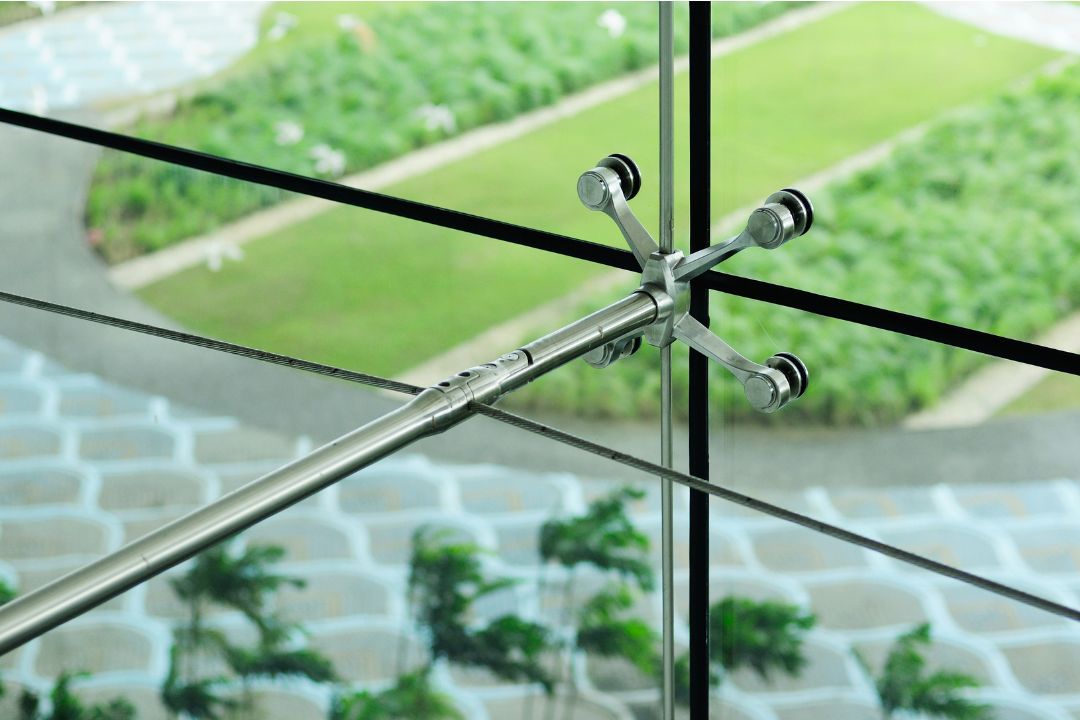
Engineering a glass wall requires complex mathematics. High-rise buildings actually sway and move in the wind. If the glass was bolted rigidly to the building, the movement would cause the glass to crack instantly. Therefore, the aluminum frames holding the curtain wall glass are designed with expansion gaps and rubber gaskets. This allows the glass to safely “float” within the frame, absorbing the building’s movement without breaking.
Premium Glass Facade Solutions by Leskor
At Leskor Metal Industries, we know that the right glass completely transforms a building from ordinary to extraordinary. Sourcing, engineering, and installing high-performance glass is a core pillar of our business.
We work closely with architects and developers to select the perfect combination of tempered, laminated, and Low-E glass for every specific project. We guarantee that all our curtain wall glass installations comply with the strictest local and international safety and energy codes.
Whether you are designing a brand new corporate headquarters or renovating a luxury residential complex, our expert team is ready to deliver a flawless, high-performance glass envelope. Explore our Facade Design Services to learn how we integrate cutting-edge glass into our structural designs, or Contact Us today to discuss bringing your next architectural vision to life!