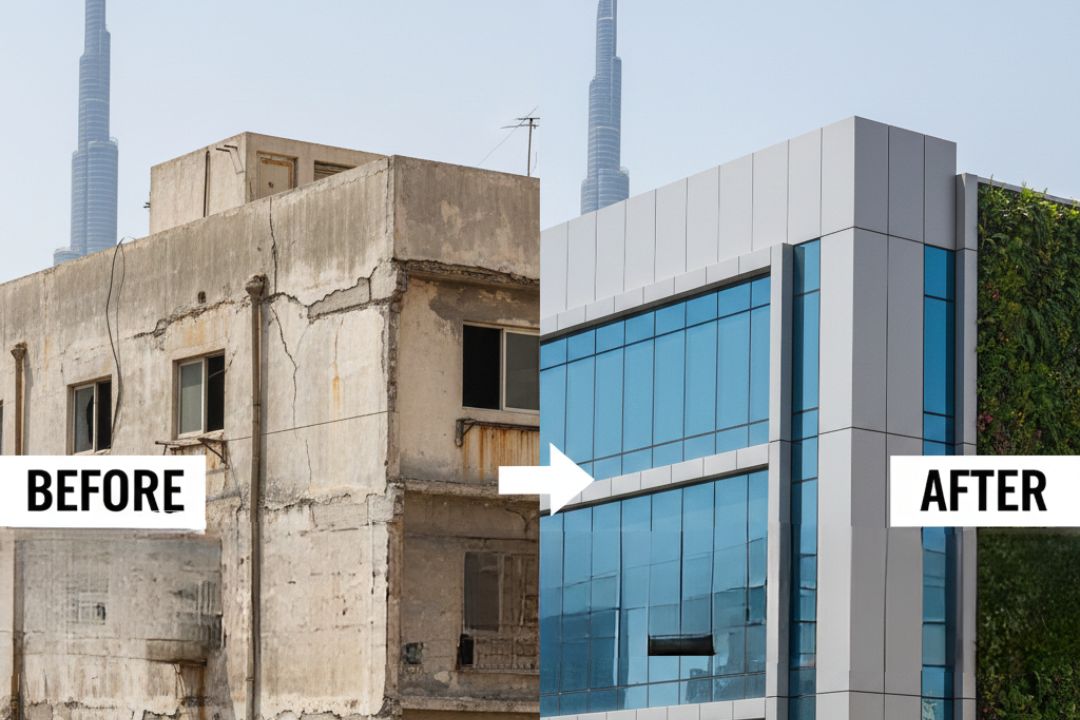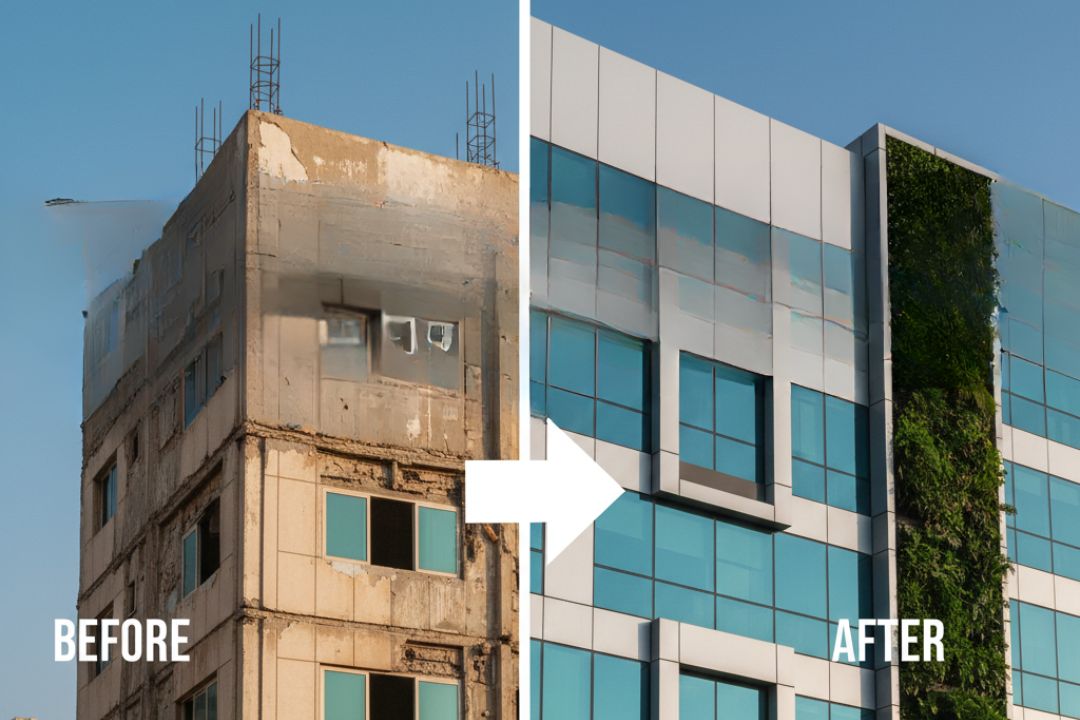
When designing modern commercial buildings, shopping malls, and office towers, architects frequently rely on glass and metal to create stunning exteriors. These non-structural outer walls are known as curtain walls. Their main job is to keep the weather out, let the light in, and give the building its signature look.
There are several ways to build these massive glass walls, but one of the most traditional, reliable, and widely used methods in the facade industry is the curtain wall stick system.
If you are a property developer, architect, or simply interested in how tall buildings are constructed, understanding the stick system is essential. In this comprehensive guide, we will break down exactly what it is, how it works, and why it might be the perfect choice for your next project.
What Exactly is a Stick System?
To understand the stick system, imagine building a giant window frame piece by piece right on the construction site.
In a curtain wall stick system, long pieces of aluminum (the “sticks”) are transported to the building site. The installation team then builds the metal grid directly onto the building’s structural frame. Once the metal skeleton is secure, they install the glass panels, aluminum cladding, or other infill materials into the grid.
The Core Components of a Stick System
A stick system relies on a few very specific, highly engineered parts to remain strong and watertight:
- Mullions: These are the long, vertical aluminum beams. They are anchored directly to the building’s floor slabs and carry the bulk of the weight of the glass and wind pressure.
- Transoms: These are the horizontal aluminum beams that connect the mullions together. They support the bottom edge of the glass panels.
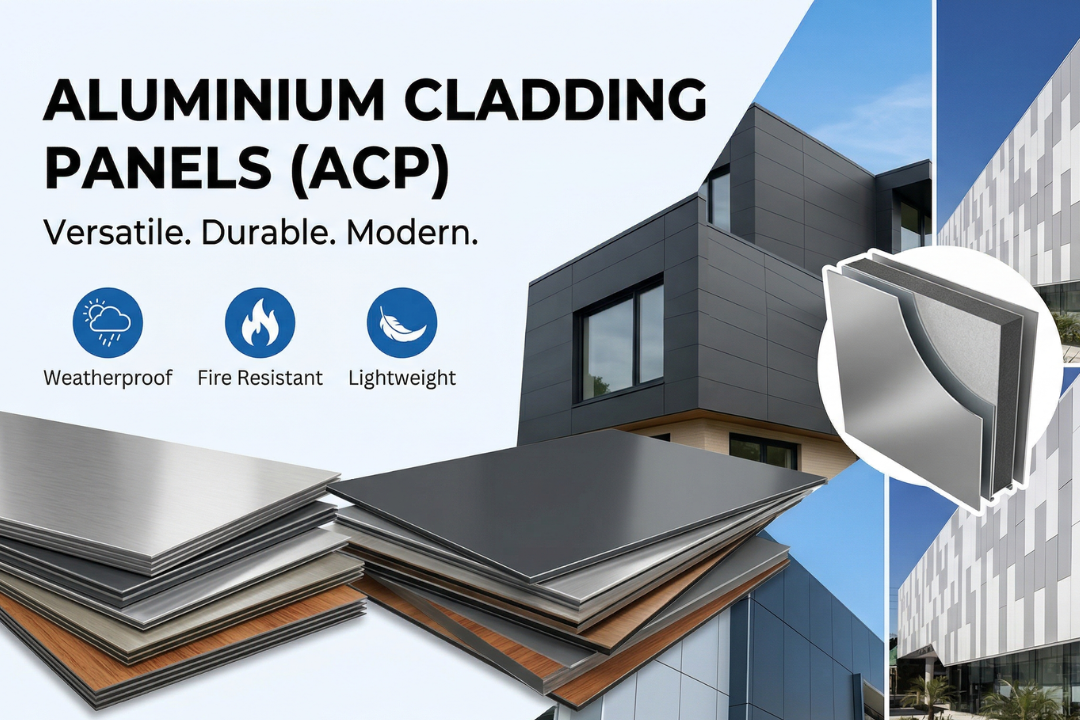
- Infill Panels: This is usually high-performance glass, but it can also be Aluminium Cladding Panels (ACP), stone, or louvers.
- Pressure Plates and Covers: Once the glass is placed into the grid, a pressure plate is screwed on to hold the glass tightly in place. A decorative cover cap is then snapped over it to hide the screws and provide a clean finish.
- Gaskets and Sealants: Thick rubber gaskets and high-grade silicone sealants are used to ensure no water or air can leak through the joints.
The Step-by-Step Installation Process
Unlike other facade methods that are pre-assembled in a factory, a stick system is highly labor-intensive on-site. The process generally follows these steps:
- Step 1: Setting the Anchors: Steel or aluminum brackets are bolted or welded to the edge of the building’s concrete floor slabs. Precision is critical here; if the anchors are off by even a few millimeters, the entire wall will be crooked.
- Step 2: Installing the Mullions: The vertical aluminum sticks are hoisted up and attached to the anchors.
- Step 3: Fitting the Transoms: The horizontal sticks are connected between the vertical mullions, creating empty squares or rectangles.
- Step 4: Placing the Glass: Large panes of glass are carefully lifted (often using specialized suction-cup machinery) and placed into the aluminum frames from the outside.
- Step 5: Sealing the Envelope: The pressure plates are attached, gaskets are firmly pressed in, and sealants are applied to make the wall entirely weatherproof.
Why Choose a Curtain Wall Stick System? (The Benefits)
You might wonder why builders choose to assemble a wall piece by piece on-site instead of building it in a factory. The stick system offers several powerful advantages:
1. Maximum Flexibility and Customization Because it is built stick by stick, this system is incredibly adaptable. If a building has an unusual shape, complex corners, changing elevations, or sloping roofs, a stick system can easily accommodate these unique architectural designs. Adjustments can be made on the fly at the construction site.
2. Lower Transportation and Shipping Costs Shipping massive, fully assembled glass walls from a factory to a construction site requires huge trucks and a lot of money. With a stick system, you are simply shipping long bundles of aluminum bars and separate crates of glass. This takes up far less space and is much cheaper to transport.
3. Ideal for Low to Mid-Rise Buildings For buildings that are not towering skyscrapers, typically under 10 stories—the stick system is usually the most cost-effective option. The logistics of setting up cranes for pre-assembled walls on smaller buildings often don’t make financial sense.
4. Strong Water and Air Performance When installed correctly by skilled professionals, stick systems offer excellent defense against heavy rain and strong winds. The overlapping design of the mullions and transoms, combined with advanced drainage channels built into the aluminum, safely guides water away from the building.
Stick System vs. Unitized System: What’s the Difference?
In the facade industry, the biggest alternative to a stick system is the unitized system.
A unitized curtain wall is manufactured entirely in a factory. The glass, aluminum frame, and seals are all put together into large, single panels (units). These massive units are then shipped to the site and simply hung onto the building with a crane, like hanging pictures on a wall.
- Speed: Unitized systems are faster to install on-site, but take longer to plan and manufacture in the factory. Stick systems take longer to build on-site.
- Labor: Unitized requires less on-site labor but heavy machinery (cranes). Stick systems require scaffolding and a large, highly skilled on-site workforce.
- Best Use: Unitized is best for tall, flat skyscrapers where speed is critical. Stick systems are best for low-to-mid-rise buildings with complex, highly detailed designs.
The Engineering Challenges of a Stick System
While highly effective, stick systems require expert engineering. The building moves slightly due to wind and thermal expansion (metal expanding in the heat and shrinking in the cold). The stick system must be designed with “expansion joints” to absorb this movement so the glass does not crack. Additionally, managing water drainage, ensuring that any condensation or rainwater that gets into the frame is quickly directed back outside- is a vital part of the design process.
Trust Leskor for Flawless Facade Engineering
A curtain wall stick system is only as good as the team that installs it. If the on-site measurements are inaccurate, or the sealing is done poorly, the building will suffer from leaks and poor insulation.
At Leskor Metal Industries, our highly trained engineers, project managers, and installation teams use advanced surveying tools and proven installation techniques to ensure every stick system is assembled safely, accurately, and perfectly on time. We handle the complexities of on-site assembly so you don’t have to.
Read more About Leskor and our strict quality control standards, or explore our specialized Facade Engineering Services to see how our expertise can bring your building to life.