As a key player in the UAE’s architectural evolution, we at Leskor have seen firsthand how bold design and innovation define our landscape. From the Burj Khalifa to the Museum of the Future, these are more than structures; they are statements.
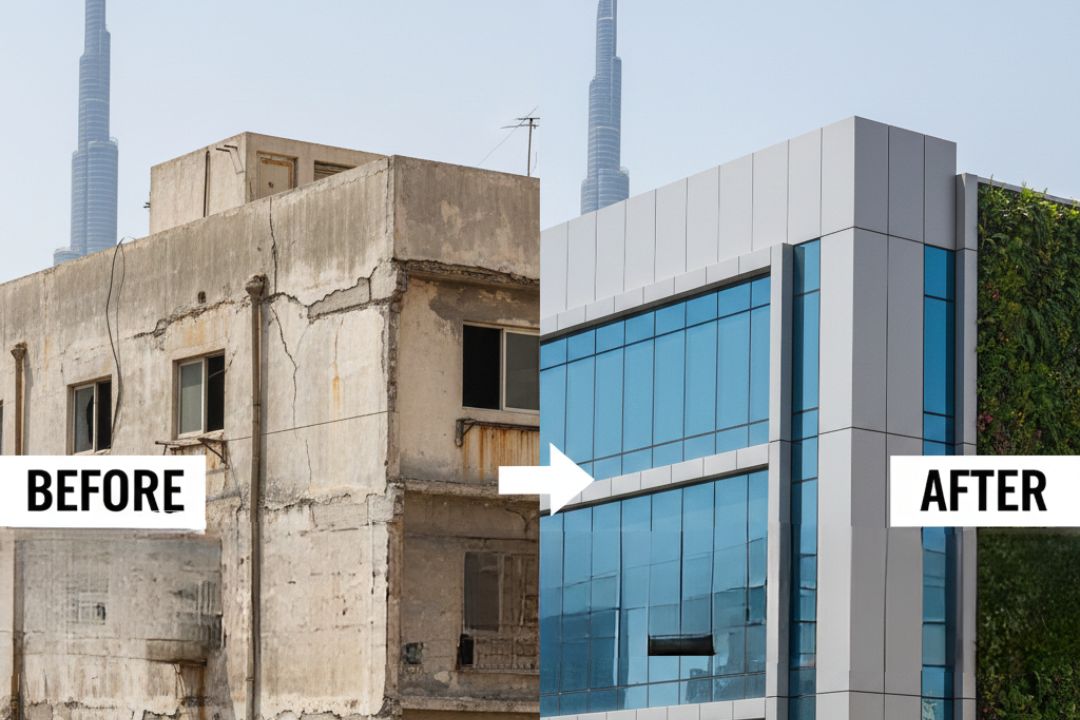
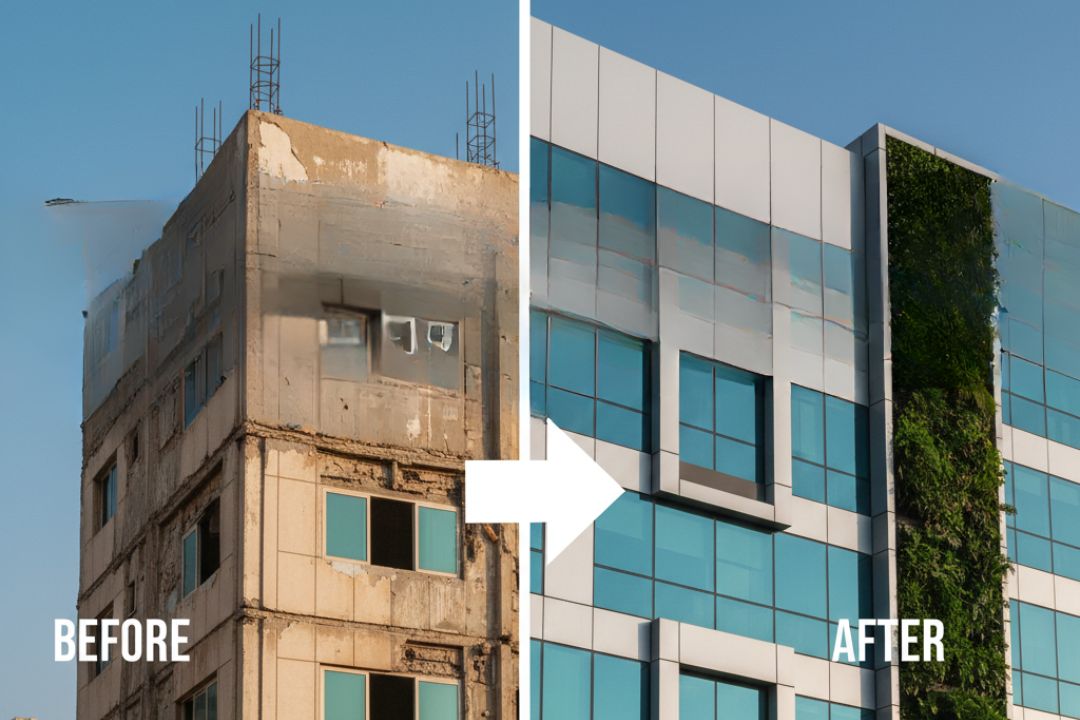
Now, a new frontier is gaining prominence: Smart Facades.
The building envelope is no longer static; it’s an intelligent system that responds to its environment to boost performance, comfort, and sustainability. In a region of extreme heat, smart facades are not a luxury, they are essential.
As one of the UAE’s leading integrated facade consultants and contractors, we believe in turning these complex visions into reality.
This article explores the technologies we work with every day and illustrates why an end-to-end partner is critical for success.
What Defines a Smart Facade?
A smart facade, also called an adaptive or intelligent facade, is a building skin with advanced technologies.
It reacts to changes outside, like temperature and sunlight, and inside, like how many people are present and comfort needs.
Smart facades are different from traditional ones. They aren’t just barriers; they actively respond. These systems manage energy, light, and air flow between the inside and outside.
This responsiveness is achieved through:
Sensors: Track real-time environmental data, like:
- Solar radiation
- Outdoor temperature
- Wind speed
- Indoor light levels
- CO2 levels
- Occupancy
Actuators: are mechanical or electronic parts. They create physical changes, like:
- Opening or closing louvers
- Adjusting glass opacity
- Moving panels
Control Systems (often AI-driven): They act as the “brain” that processes sensor data. They instruct actuators to make changes and often learn and improve over time
Advanced Materials: These materials have dynamic properties and can interact with smart technologies.
The goal is to design building envelopes that are efficient, user-friendly, visually appealing, and eco-friendly.
Pioneering Technologies Driving Smart Facades in the UAE
Smart facades come from many fields.
They use new ideas in material science, electronics, automation, and artificial intelligence.
Here are some of the key technologies making their mark in the UAE.
1. Dynamic Glazing (Smart Glass):
- Electrochromic Glass: This glass changes its tint or opacity in response to an electrical current. Occupants or automated systems can change it from clear to opaque. They can select different shades to manage glare, daylight, and solar heat. This reduces the need for blinds or curtains.
- Thermochromic Glass: Reacts to temperature changes, darkening automatically when heated by intense sunlight.
- Photochromic Glass: Changes tint in response to UV light, similar to transition lenses in spectacles.
- Suspended Particle Device (SPD) Glass: This glass has tiny particles in a liquid film. When you apply an electric current, the particles line up. This lets light pass through. When the current is off, the particles are randomly oriented, blocking light.
Benefits in UAE: Handles strong solar radiation, Cuts cooling needs, Provides quick privacy.
Sun control is vital here.
2. Automated Shading Systems (Kinetic Facades):
These systems use louvers, fins, screens, or panels that move on their own. They adjust based on the sun’s path, the time of day, and what occupants prefer.
Kinetic Architecture: goes further by allowing parts of the facade to move, rotate, or change. This creates a lively visual effect and also helps with shading and ventilation. The Al Bahr Towers in Abu Dhabi, with their adaptive “mashrabiya” screens, are a prime example of a responsive, kinetic facade in the UAE.
Benefits in UAE: Increases daylight while reducing glare and solar heat gain. This helps save energy and improves thermal comfort. Adds a unique architectural identity.
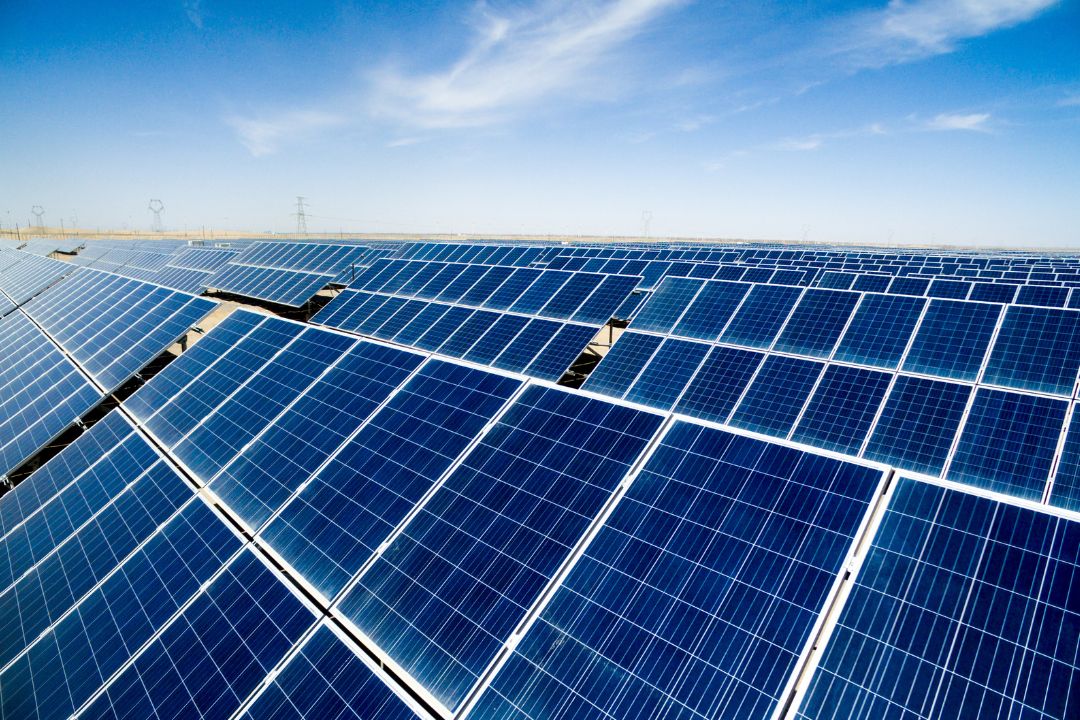
3. Building Integrated Photovoltaics (BIPV):
- BIPV integrates solar cells into the building’s facade. This turns the building skin into an active power generator. BIPV differs from traditional rooftop solar panels. It blends with a building’s look and structure. It can serve as cladding, skylights, or transparent windows.
Benefits in UAE: Takes advantage of the region’s abundant sunshine, making buildings self-sufficient power stations. Reduces reliance on the grid, lowers operational costs, and contributes to the UAE’s renewable energy goals. The aesthetic integration means no compromise on design.
4.Ventilation Control Systems:
- Smart facades can have vents, louvers, and windows that open or close by themselves. This helps with natural ventilation. It improves indoor air quality and cuts down on mechanical ventilation needs.
- Double-Skin Facades: These systems aren’t strictly “smart,” but you can add smart controls to them. They consist of two layers of glass with an air cavity in between, which acts as a thermal buffer. Automated vents within this cavity can be controlled to manage airflow, dissipate heat, or pre-condition incoming air.
Benefits in UAE: Reduces cooling loads by utilizing passive cooling strategies, improves indoor air quality, and enhances occupant comfort by providing fresh air.
5. Sensors and the Internet of Things (IoT) Integration:
- A smart facade relies on a network of sensors. These sensors measure light, temperature, humidity, wind, occupancy, and CO2. They continuously collect data to enhance performance.
- This data is sent using IoT protocols to a main Building Management System (BMS) or a special facade control system.
Benefits in UAE: Enables real-time monitoring and proactive adjustments, ensuring optimal performance. Facilitates data-driven decision-making for long-term operational efficiency and predictive maintenance.
6. Artificial Intelligence (AI) and Machine Learning (ML):
- AI and ML algorithms are taking smart facades to the next level. AI doesn’t just react to current conditions. It looks at past data, predicts future trends like weather, and learns the best facade responses over time.
- Generative Design: AI lets architects and engineers check out various design options for facade elements. It optimizes energy performance, daylighting, and material use. This leads to innovative and efficient designs.
Benefits in UAE: Offers adaptive and predictive facade performance. This maximizes energy savings and occupant comfort with little human input. Allows for the creation of incredibly complex and optimized facade geometries.
The Multifaceted Benefits of Smart Facades in the UAE
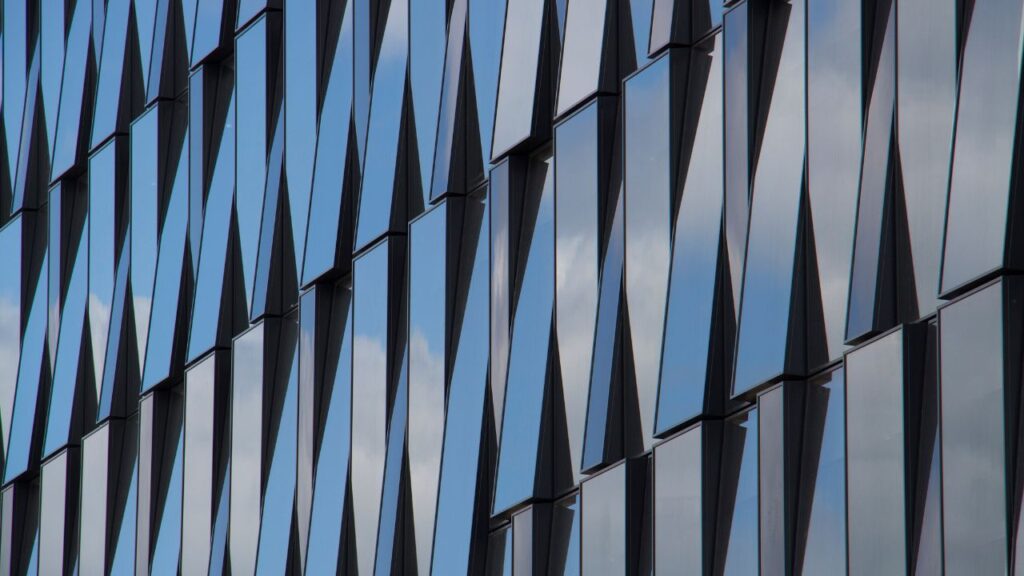
The adoption of smart facades in the UAE is driven by a compelling combination of environmental, economic, and experiential advantages:
1. Unprecedented Energy Efficiency:
- The primary driver in the UAE’s hot climate. Smart facades dynamically manage solar heat gain, reducing the load on HVAC systems and significantly cutting cooling energy consumption (often by 20-50% or more).
- Optimized daylighting reduces reliance on artificial lighting, further saving energy.
Integration of BIPV actively generates clean electricity, moving buildings towards net-zero or even energy-positive status.
2. Enhanced Occupant Comfort and Well-being:
- By intelligently controlling glare, temperature, and natural light, smart facades create consistently comfortable and productive indoor environments.
- Improved indoor air quality through controlled natural ventilation.
- The connection to the outdoors is maintained through dynamic views and natural light, boosting well-being.
3. Aesthetic Innovation and Architectural Expression:
Smart facades offer architects unprecedented design freedom. Dynamic elements create a constantly evolving building appearance, turning facades into living, breathing works of art.
4. Increased Building Value and Marketability:
- Buildings with advanced smart facades are more attractive to tenants and buyers due to lower operational costs, superior comfort, and a modern, sustainable image.
- They can command higher rents and sales prices, offering a strong return on investment.
5. Sustainability and Environmental Responsibility:
- Directly contributes to the UAE’s ambitious sustainability goals and green building certifications (e.g., LEED, Estidama, GSAS).
- Reduces the carbon footprint of buildings by minimizing energy consumption and generating renewable energy.
- Promotes a healthier urban environment.
6. Data-Driven Operation and Maintenance:
- Real-time data from facade sensors provides valuable insights into building performance, allowing for continuous optimization and predictive maintenance.
Reduces the need for manual adjustments and can alert facility managers to potential issues before they become critical.
Challenges and Opportunities in the UAE
While the advantages are clear, implementing smart facades in the UAE comes with its own set of considerations:
- Initial Investment: The upfront cost can be higher than traditional facades due to the advanced technology and sophisticated engineering. However, the long-term operational savings and increased asset value often justify this investment.
- Complexity: Design, engineering, manufacturing, and installation require specialized expertise and a highly integrated approach.
- Maintenance: These systems are built to last, but they need special care to work well throughout their lifespan.
- Integration: Seamless integration with other building systems (HVAC, lighting, security) is crucial for true “smart” building performance.
These challenges, however, present significant opportunities for facade consultants who possess the necessary expertise and an integrated service model.
The Role of an Integrated Facade Consultant in Realizing Smart Facades
Bringing a complex smart facade to life requires more than just a concept; it demands flawless execution.
This is where Leskor’s integrated, end-to-end model provides unmatched value. As a multi-disciplinary contractor, we manage the entire lifecycle of your project, from initial design to final installation, ensuring your vision is realized without compromise.
Here is how our integrated approach masters the challenges of smart facades in the UAE:
- Holistic Design & Performance Simulation: Our in-house facade design and engineering teams work with architects from day one, integrating smart technologies early and using advanced simulations to optimize for the UAE climate.
- Material and Technology Selection: With deep industry knowledge, we guide you through the latest materials, from DCD-approved smart glass to high-performance BIPV, ensuring the right fit for your project’s goals.
- Precision Engineering for Dynamic Systems: Our expertise in kinetic facade engineering ensures that all moving elements, sensors, and controls are designed for structural integrity, durability, and seamless operation.
- Advanced Manufacturing Capabilities: We fabricate bespoke facade elements in our own high-tech facilities. This control over manufacturing guarantees precision and quality for complex components.
- Expert Installation and Commissioning: Our skilled facade installation teams are trained to handle the complexities of smart systems, ensuring every sensor, actuator, and panel is perfectly calibrated and commissioned.
- Seamless Integration with BMS: We ensure the facade control system communicates flawlessly with the building’s central BMS, delivering unified, truly “smart” performance.”
The future of architecture in the UAE is undeniably smart. The region aims for innovative design and top-notch sustainability. Smart facades will be key in this effort.
By using these innovations and working with experts, developers and architects in the UAE can create beautiful and efficient buildings. These facades will be responsive and ready for tomorrow’s demands. The era of the dynamic building envelope is here, and the UAE is leading the way.