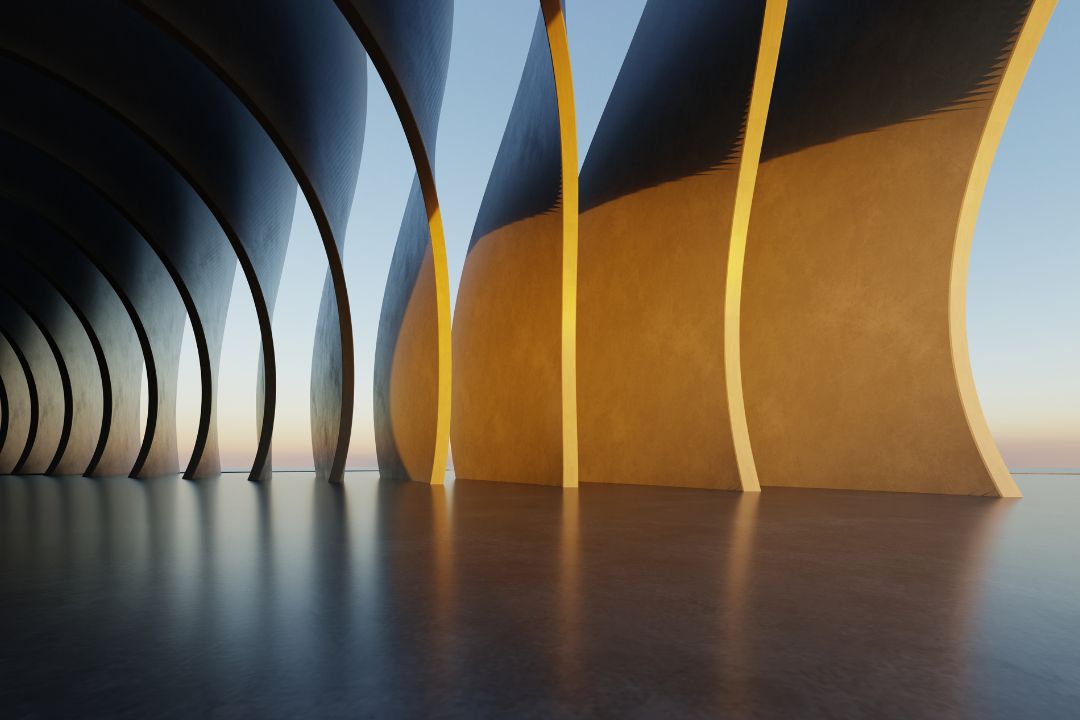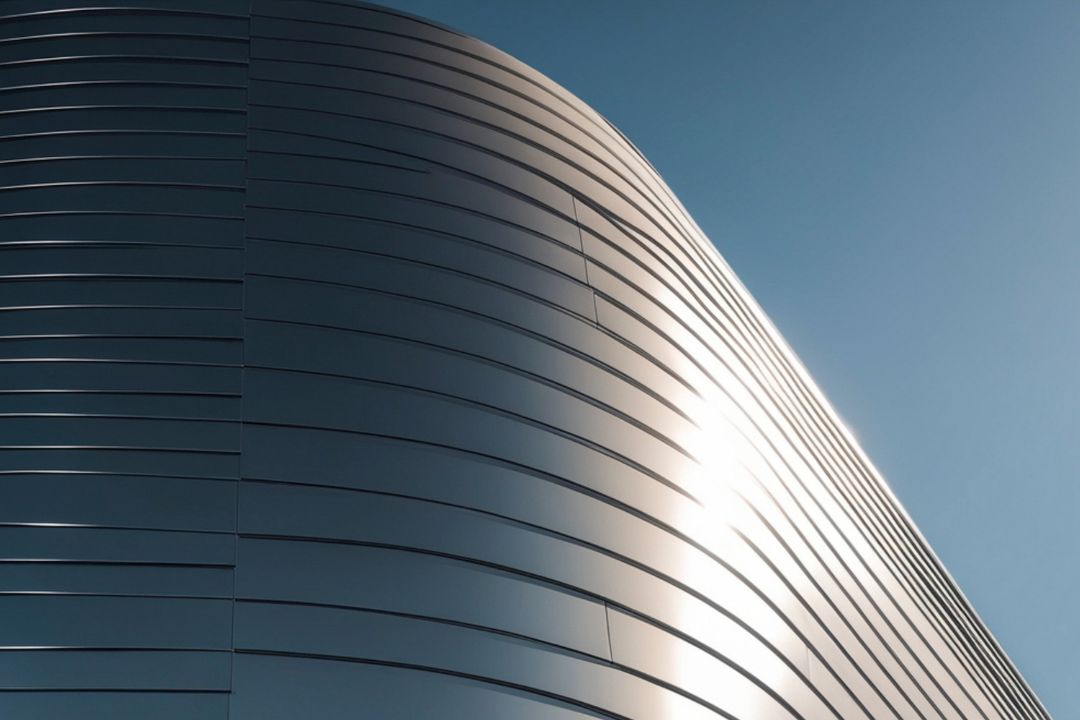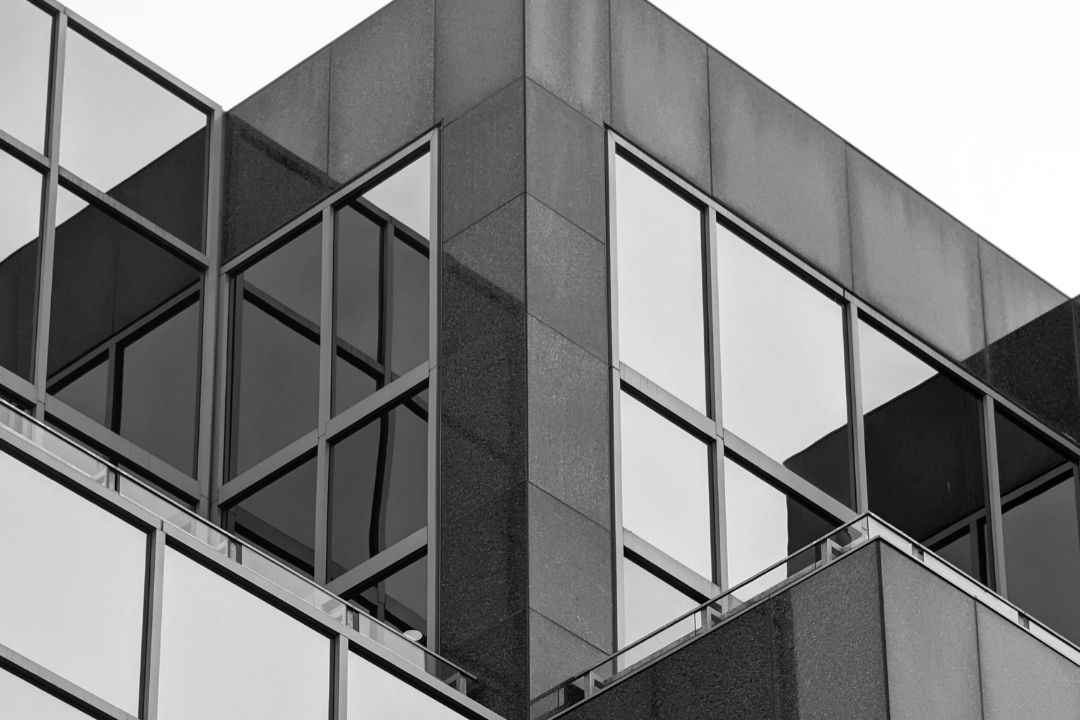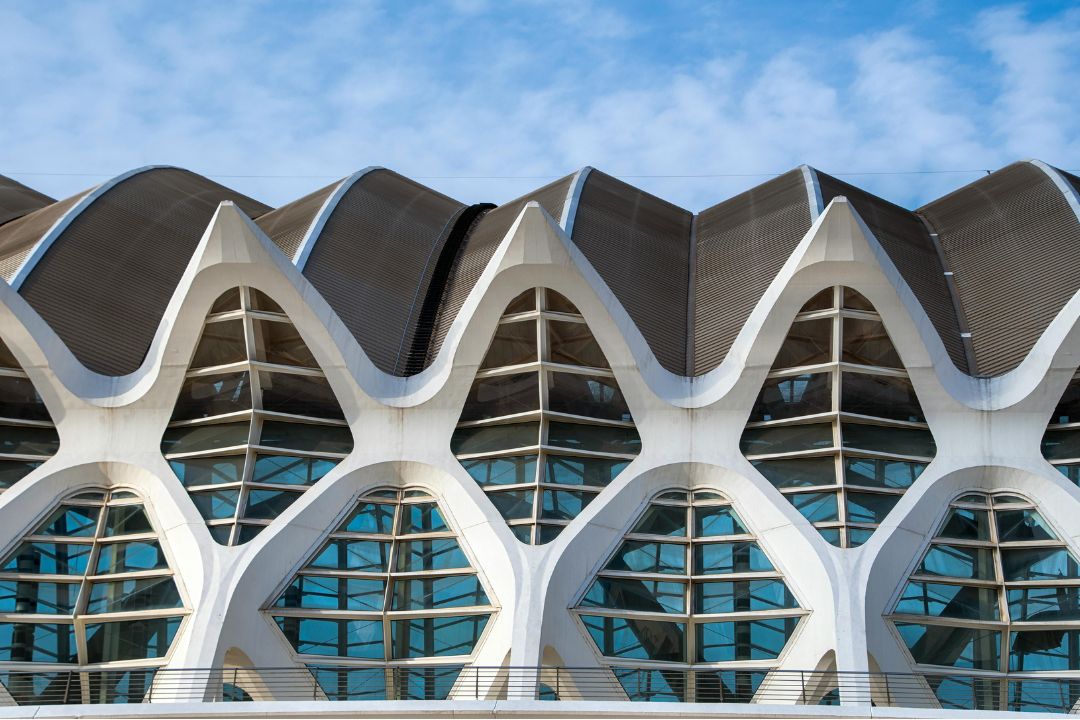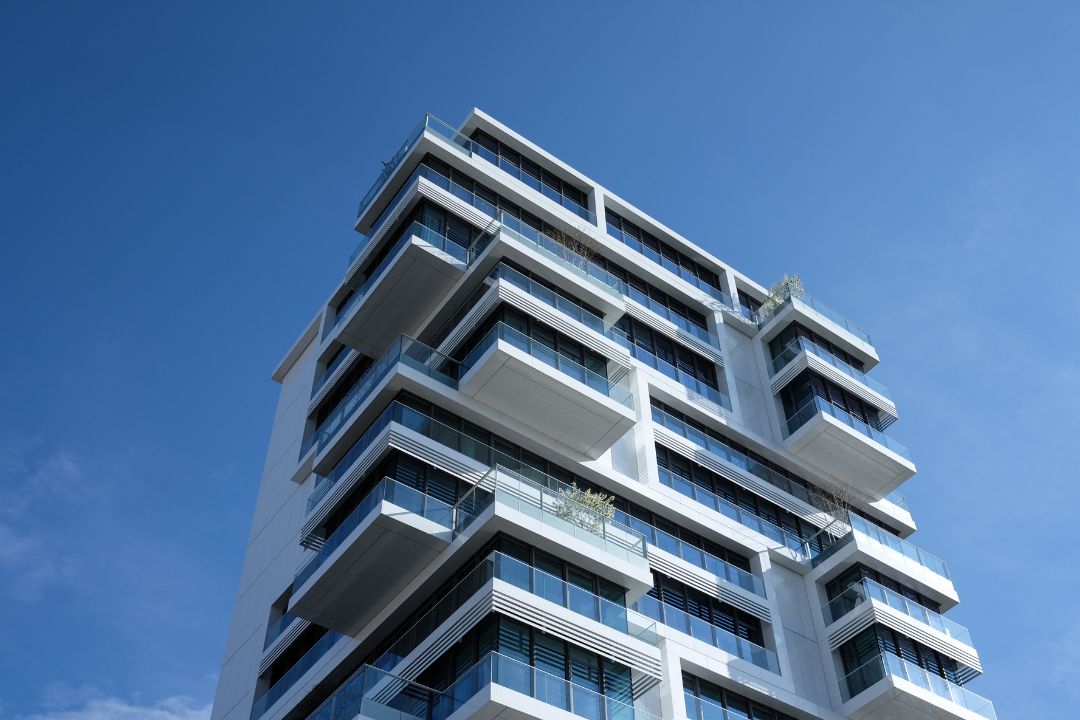
When you look at the skyline of a modern city, you will notice sleek, colorful, and metallic buildings that reflect the sky and surrounding environment. Most of the time, this flawless, modern finish is created using ACP (Aluminium Cladding Panels).
An Aluminium Cladding Panel is an incredibly popular and versatile building material used extensively in the facade industry. But what exactly is it? Think of it like a high-tech sandwich. An ACP is made by bonding two thin sheets of high-grade aluminum on either side of a core material. This unique composite design makes the panels incredibly strong and rigid, yet extremely lightweight. This combination is perfect for protecting the outside of a building while making it look beautiful.
The Anatomy of an Aluminium Cladding Panel
To truly understand why ACP is so popular, we need to look at how it is built. A standard panel consists of several important layers:
- Protective Film: A peel-off layer that protects the panel from scratches during shipping and installation.
- Top Coating: Usually made of PVDF (Polyvinylidene Fluoride) or PE (Polyester) paint. This gives the panel its color and protects it from the sun, rain, and pollution.
- Aluminum Skin: A thin layer of tough aluminum that provides structure.
- The Core: The center “meat” of the sandwich. In modern construction, this is usually made of fire-retardant (FR) minerals.
- Bottom Aluminum Skin: Another layer of aluminum to complete the structure.
- Anti-Corrosive Primer: A final bottom layer to protect the panel from moisture coming from the building’s internal walls.
Why Do Modern Buildings Rely on ACP?
Architects, engineers, and builders around the world choose Aluminium Cladding Panels over traditional materials like brick, concrete, or solid steel. Here is an in-depth look at why:
1. Extreme Durability and Weather Resistance Buildings face harsh conditions every day. From the blistering sun of the Middle East to heavy rain and high winds, a building’s envelope must withstand it all. ACP is highly resistant to weather. It does not rust, warp, or fade easily. A high-quality panel can maintain its structural integrity and vibrant color for decades, making it a highly cost-effective investment over the life of a building.
2. Outstanding Fire Safety Safety is the most critical factor in the facade industry today. In the past, older types of ACP used standard plastic cores, which posed a fire risk. Today, strict civil defense and building codes require the use of Fire-Retardant (FR) or non-combustible (A2) cores. These advanced panels are packed with minerals that resist heat and prevent flames from spreading. At Leskor, we strictly adhere to these modern safety standards, ensuring every panel we install provides maximum protection for the people inside.
3. Incredibly Lightweight Solid steel or thick concrete facades add a massive amount of weight (called “dead load”) to a building’s foundation. Because aluminum is naturally a light metal, and the core is relatively weightless, ACP provides a strong protective shell without putting stress on the building’s structural frame. This allows architects to build taller and more creative structures.
4. Unmatched Design Freedom No other material offers the flexibility of ACP. It can be easily cut, routed, folded, and shaped to fit complex architectural designs—whether it’s sharp corners or smooth, curved surfaces. Additionally, ACP can be painted in virtually any color. It can even be designed to mimic the look of natural wood, stone, or marble, giving you a luxury look without the heavy weight or high cost.
5. High Insulation and Energy Efficiency A building wrapped in ACP benefits from an extra layer of insulation. When installed correctly with a small air gap behind it (known as a rainscreen system), ACP helps regulate the temperature inside the building. It reflects the sun’s heat during the summer and keeps the warm air inside during the winter, significantly reducing the building’s air conditioning and heating costs.
The Installation Process: How ACP Goes from Factory to Facade
Installing Aluminium Cladding Panels is not a DIY job. It requires precision engineering and a highly skilled workforce. Here is a simplified look at the professional installation process used by leading contractors:
- Site Survey and Design: First, engineers take exact measurements of the building using advanced laser tools. This data is used to create detailed shop drawings.
- Fabrication: The flat panels are cut and folded in a factory into “trays” or “cassettes” based on the exact dimensions needed.
- Sub-structure Installation: Aluminum brackets and rails are firmly anchored to the building’s concrete or steel frame.
- Panel Fixing: The ACP cassettes are brought to the site and screwed or riveted onto the sub-structure.
- Sealing (Weatherproofing): Depending on the system design, silicone sealants or rubber gaskets are applied between the panels to ensure no water can penetrate the building.
Caring for Your ACP Facade
One of the best things about ACP is that it is very low maintenance. However, regular cleaning is required to keep it looking brand new, especially in dusty or highly polluted city environments.
Usually, cleaning involves simply washing the panels with mild, soapy water and a soft sponge or cloth, followed by a clean water rinse. Harsh chemicals or abrasive scrubbers should never be used, as they can damage the protective paint coating. An annual inspection is also recommended to check the condition of the silicone sealants and ensure no panels have been damaged by severe weather.
How Leskor Delivers Top-Quality ACP Solutions
At Leskor Metal Industries, we understand that the outside of your building is its first line of defense and its public face. As a premier multi-disciplinary facade contractor in the UAE, we specialize in the comprehensive design, fabrication, and installation of premium Aluminium Cladding Panels.
We take full responsibility for the entire process. From the initial engineering draft to the final on-site execution, we ensure your building is safe, energy-efficient, and visually spectacular. We work only with approved, high-grade, fire-rated materials that meet strict local and international building codes.
Are you ready to elevate your building’s exterior? Explore Our Projects to see our stunning ACP work in action, or learn more about our comprehensive Facade Manufacturing and Installation services today.