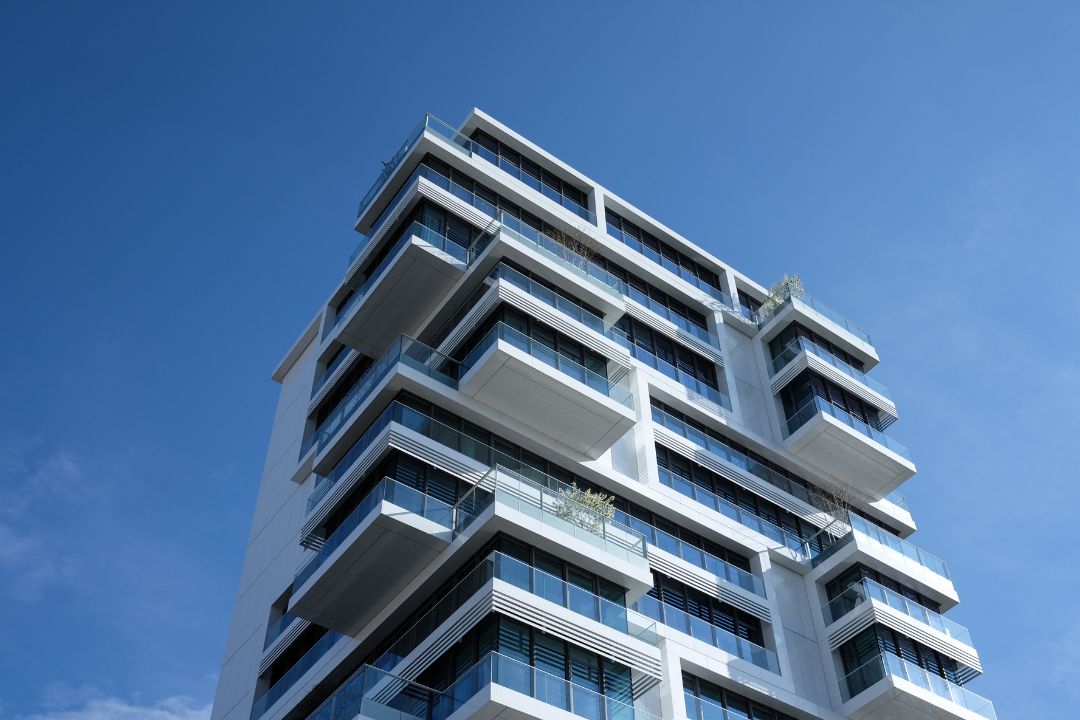
Walk through any new development in Dubai, Sharjah, or Abu Dhabi, and aluminium is everywhere. From gleaming curtain walls and frameless glass shopfronts to powder-coated window frames and decorative cladding panels – aluminium is the backbone of modern UAE architecture.
But what actually happens between the raw aluminium profile arriving at a factory and the finished window or facade panel being installed on a building? That’s aluminium fabrication and understanding the process helps you choose the right contractor and get the best results for your project.
What is Aluminium Fabrication?
Aluminium fabrication is the process of cutting, shaping, joining, and finishing raw aluminium profiles and sheets into finished building components; windows, doors, curtain wall panels, louvres, cladding systems, pergolas, and more.
A fabrication facility typically handles:
- Cutting aluminium profiles to precise lengths using CNC and mitre saws
- Drilling and punching holes for hardware, drainage, and fixings
- Assembling frame components using mechanical crimping or welding
- Fitting glazing gaskets, thermal breaks, and weather seals
- Installing hardware such as hinges, handles, locks, and friction stays
- Quality checking dimensions and performance before despatch to site
Types of Aluminium Systems Fabricated for UAE Buildings
Aluminium Windows
Casement, sliding, tilt-and-turn, and fixed light windows are fabricated using extruded aluminium profiles from manufacturers like Alumil, Schüco, Reynaers, and ALUK. The profiles are thermally broken for energy efficiency, an essential feature in the UAE climate where the difference between indoor and outdoor temperatures can exceed 30°C.
Aluminium Doors
From single swing doors for apartments to heavy-duty entrance systems for commercial towers, aluminium doors are fabricated to suit specific opening sizes, security requirements, and design specifications. Popular systems include folding doors, sliding doors, and pivot doors.
Curtain Wall Systems
Curtain wall fabrication is among the most technically demanding in the industry. Large aluminium frame sections are assembled with precise tolerances, fitted with structural silicone or pressure-plate glazing systems, and then transported to site for installation. Both stick (site-assembled) and unitised (factory-assembled panels) curtain wall systems are fabricated locally.
Aluminium Cladding Panels
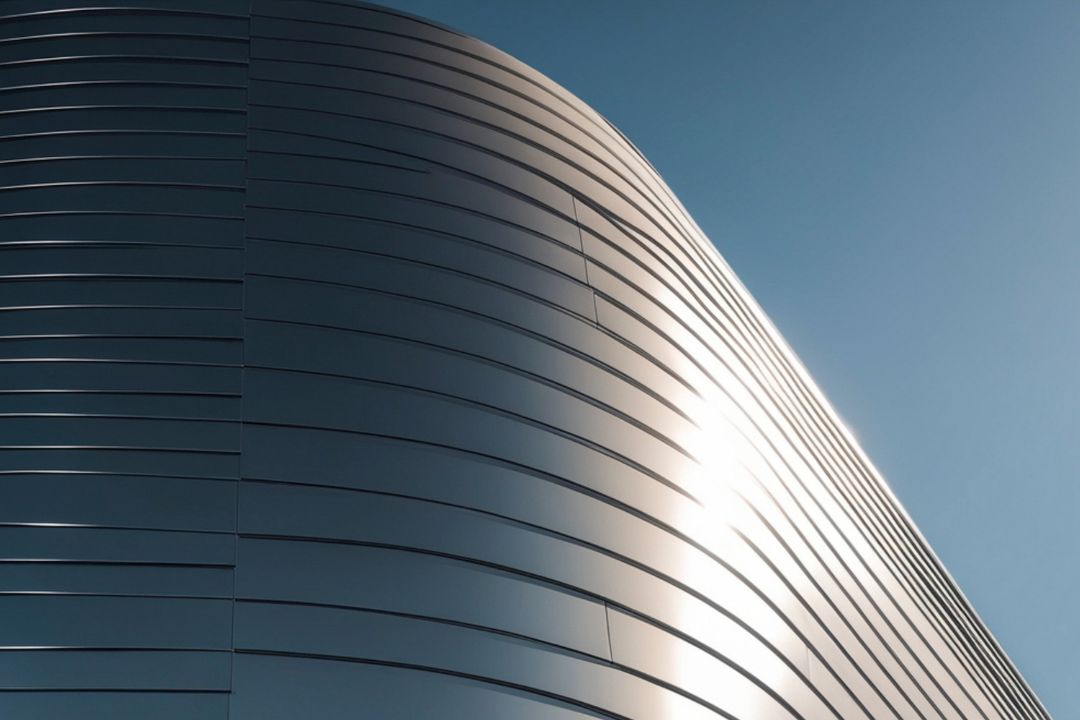
Aluminium composite panels (ACP) and solid aluminium cassette panels are fabricated into cladding sheets of specific sizes, shapes, and profiles. This can include flat panels, perforated screens, curved panels, or three-dimensional geometric shapes for decorative effect.
Louvres and Sunshades
Horizontal and vertical aluminium louvres are fabricated to reduce solar gain on facades – a practical necessity in the UAE where solar radiation can drive up cooling costs significantly. These are often specified by facade engineers as part of the overall building energy strategy.
Structural Glazing Systems
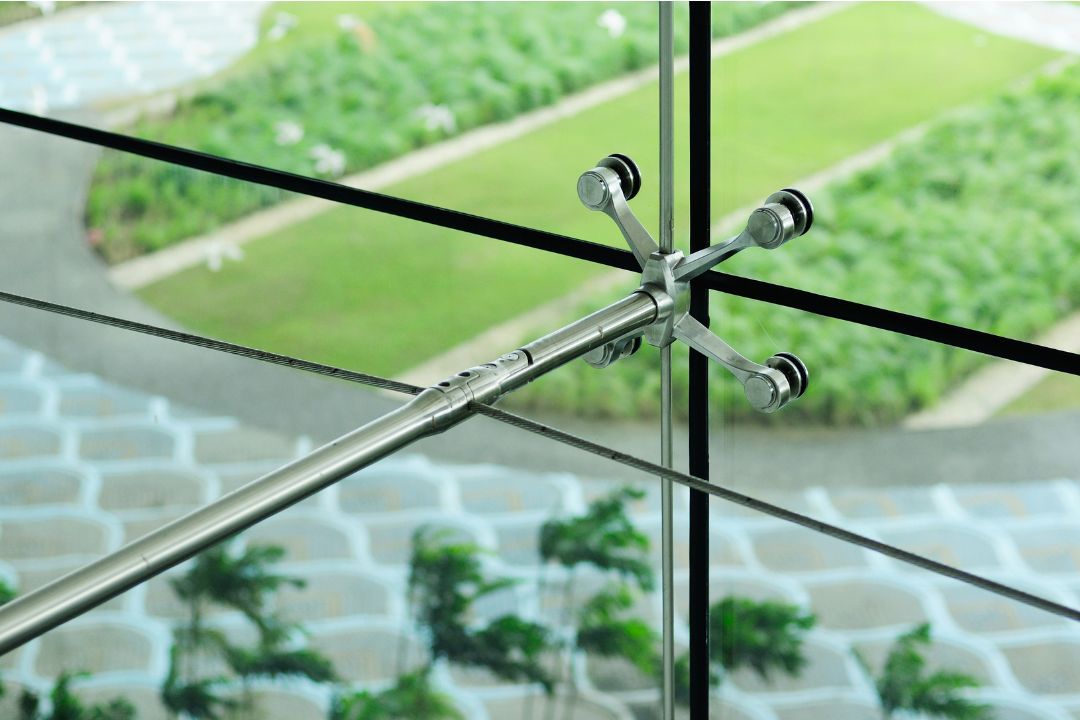
Structural silicone glazed facades where glass appears to float with no visible frame – require highly controlled fabrication. The silicone bonding between glass and aluminium must be applied in a clean factory environment and cured to specific standards.
The Fabrication Process: Step by Step
1. Shop Drawing Review
Before a single cut is made, the fabrication team reviews the shop drawings produced by the facade engineer. These drawings show exact dimensions, assembly sequences, and hardware specifications. Any issues are flagged and resolved before fabrication begins.
2. Material Procurement
Aluminium profiles, glass units, gaskets, hardware, and other components are procured. Working with reputable system suppliers like Schüco, Reynaers, or Alumil ensures consistent quality and access to tested, certified components.
3. Profile Cutting
CNC sawing machines cut aluminium profiles to exact lengths, with precise mitre angles where frames meet at corners. Accuracy here is measured in fractions of a millimetre – poor cutting leads to gaps, misalignment, and performance failures.
4. Machining
Profiles are machined to receive hardware – drilling for locks, hinges, and handles; punching for drainage holes; routing for gasket channels. CNC machining centres ensure consistency across hundreds of identical components.
5. Assembly
Frame corners are joined using mechanical corner keys and crimping, or in some systems, welded. Thermal break polyamide strips are pressed into frame cavities. Gaskets and weather seals are fitted into grooves.
6. Glazing
For windows and doors, glass units are fitted into the assembled frames in the factory. For curtain wall and structural glazing systems, glass may be bonded with structural silicone and cured for a specified time before the units can be moved.
7. Hardware Fitting
Handles, locks, friction stays, hinges, and closers are installed and adjusted. Finished units are opened and closed multiple times to check smooth operation.
8. Quality Control and Inspection
Every unit is inspected against the shop drawings for dimensions, squareness, hardware function, and finish quality. Failed units are reworked or rejected. This step is critical – it’s far easier to fix a problem in the factory than on a construction site 20 floors up.
Why Local Fabrication Matters in the UAE
Importing fabricated aluminium systems from overseas may seem cost-effective on paper, but it comes with significant risks: long lead times, difficulty making design changes mid-project, no recourse for quality issues, and the complexity of coordinating shipping, customs, and site delivery.
Local fabrication like the facility operated by Leskor Metal Industries in Dubai Industrial City offers:
- Faster lead times: typically 4–8 weeks from order to delivery
- Flexibility to accommodate design changes even after fabrication starts
- Direct communication between the design team, engineers, and fabricators
- Easier quality control with site visits to the workshop
- Reduced transport damage risk
- No import duties or customs delays
Aluminium Coatings and Finishes
The finish applied to aluminium profiles has a major effect on durability and appearance. In the UAE, the most common finishing methods are:
Powder Coating
Electrostatically applied polyester powder is baked onto the aluminium surface, creating a durable, coloured finish. Standard powder coating can last 10–15 years with proper maintenance. Super-durable powder coatings rated to QUALICOAT Class 2 or higher are recommended for UAE conditions.
Anodising
An electrochemical process that thickens the natural aluminium oxide layer, anodising creates a hard, corrosion-resistant surface. Anodised aluminium has a distinctive metallic look and is highly durable. It’s popular for premium architectural applications.
PVDF / Fluorocarbon Coatings
PVDF (polyvinylidene fluoride) coatings, often called Kynar or Lumiflon, offer the highest performance for UAE facades. They resist UV fading, chalking, and chemical attack far better than standard powder coatings, making them the preferred choice for curtain walls on high-rise towers.
Aluminium Fabrication at Leskor Metal Industries
At Leskor Metal Industries, our fabrication workshop in Dubai Industrial City produces aluminium windows, doors, curtain wall systems, cladding panels, and custom facade components for projects across the UAE. Our in-house capability means the same team handles facade design, facade engineering, fabrication, and installation giving you a single point of accountability for your entire facade scope.
We work with leading aluminium system brands including Alumil, Schüco, Reynaers, ALUK, Gutmann, and Technal, giving our clients access to a wide range of certified, tested systems to suit any project type or budget.
Need aluminium fabrication for your project? Talk to our team at Leskor Metal precision fabrication, local delivery, expert installation.